



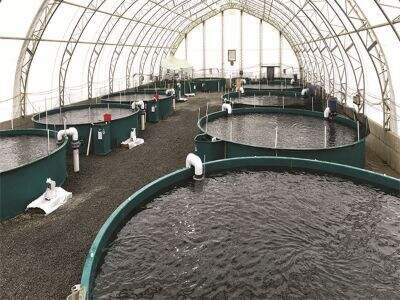
End-to-End Traceability in Today’s Recirculating Aquaculture Systems is incredibly important for ensuring that fish farming is done the right way. At Wolize we're committed to helping people understand how this works in the world today. Recirculating aquaculture systems (RAS) enable us to raise fish in a controlled setting. That means we can monitor everything that happens from the day these fish are born to the day they are being sold. This monitoring makes sure the fish are safe and healthy to eat. When consumers can see where their fish comes from and how it was raised, they feel good about their choice
What every wholesale buyer should know about in RAS
Wholesale buyers need to be knowledgeable about the origins and husbandry of what they are buying. In RAS, fish are housed in tanks with water that is filtered and recycled. This is good for the environment and helps to keep fish healthy. Buyers should ask questions. They should have knowledge of the quality of water, what type of food the fish get and how tanks are maintained. For example, if a consumer is interested in how fish were farmed, they should seek out systems that enable them to follow each step. If fish are raised with care in clean water and fed well, buyers can feel confident that they are getting a quality product. It is a way for buyers to make more informed decisions. And they should look for certifications or quality checks to ensure the fish is safe. An excellent way to garner trust with buyers is by sharing information about the farming process. Transparency is key. When buyers can view their fish being raised, it makes them much more comfortable with what they are purchasing. They are also going to feel better knowing the fish are healthy and raised in a clean environment. Wolize feels that keeping the lines of communication open is best for all. Here are the three items that can make a difference to buyers who know. This is good for the industry and good for consumers
A simple way to achieve quality control in aquaculture with supply chain traceability
Quality control is an extremely important part of aquaculture and end-to-end traceability makes that more achievable. It involves monitoring the fish from their birth until they end up in the market. With this system we can verify every step of the process. For design, we might want to have a label on each tank that tells us which fish are in the tank, where they came from, and when it was fed. This makes it easy to locate any issues if they occur. If there’s a problem, such as a sickness, we can easily figure out which specific fish are affected and address it immediately. This protects the rest of the fish. At Wolize, we envision traceability as a security blanket for fish farmers and buyers. It builds trust. When consumers know they can see where their fish came from, they feel better about it. And technology, such as sensors, can be used to keep track of water quality and fish health. For example, if the water starts getting too warm, alarms can notify farmers to remedy the situation. This helps keep fish healthy. And, lastly, regular visits and reports help keep the quality high. Farmers are able to share these reports with buyers, thus helping to begin forming good relationships. The bottom line That’s why end-to-end traceability not only keeps fish healthy, but keeps an entire industry strong
What Are the Common Traceability Concerns of Wholesale Buyers in Aquaculture
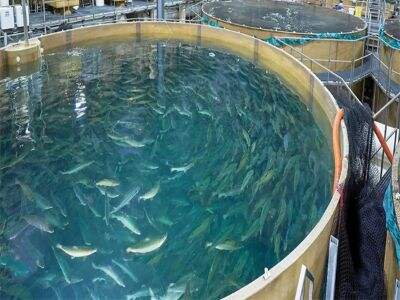
Traceability challenges for wholesale buyers in aquaculture Wholesale buyers in the aquaculture sector experience a range of traceability problems. One of the major concerns is where fish or seafood originates. No one wants to buy seafood that could make them sick. But sometimes the details of a fish’s journey from farm to store are unclear. A purchaser, as an example, may have difficulty tracking down where fish comes from so they can not be guaranteed its high quality or simply safety. The absence of this information can create distrust among buyers and sellers
Another problem is the blending of fish from multiple farms. If fish from different sources are mingled, it can be hard for buyers to trace which farm the fish originated at. This can be challenging, especially if one farm has a health problem or the fish are not being raised sustainably. Customers are interested in responsible farming practices, but if they can’t trace the food they buy, how do they know whether they are supporting it
Also, there’s frequently a lack of technology in place to trace the fish. Old practices persist in many aquaculture operations. That can result in errors or missing details. For example, if a farm does not keep good records of when the fish were harvested or how they were raised, a buyer has no way to trust whether that fish is safe and fresh. Companies such as Wolize are addressing these issues and other similar pains with more advanced tracking systems. These systems allow buyers to get clear and accurate information about the fish they purchase. When customers have access to this data, they can make better decisions and feel more confident in their purchases
How Traceability Data Can Facilitate Better Decision Making in Aquaculture
Companies in aquaculture can make better decisions with data traceability. If a company knows exactly where its fish are from and how they were raised, it can work to improve practices on the farm. So, for instance, if a farm knows that certain fish aren’t doing well in terms of growth rates, they can refer back to the data to figure out why. Perhaps the water quality was bad or they were fed the wrong food. Businesses can use that data to determine what went wrong and how to effect change so it doesn’t happen again
Data traceability can also be useful for planning. For example, if a company observes that for some reason fish is flying off the shelves with consumers, it can tweak production to match falling demand. That has allowed them to grow more of the fish that people want, resulting in stronger sales. With detailed tracking from a company like Wolize, they can show farmers what customers are in need. This connection, between the buyers and seller, can help make things go more smoothly all around
Also, for food safety facts are essential and traceability contributes to this. When there’s ever a problem, say a disease outbreak among fish, good record-keeping enables a business to act fast. They are able to trace the fish back to find where in the system the problem began. This could put a stop to sick fish getting into stores, and also ensure customers are not exposed. It can also shield the farm’s reputation. Buyers who see that a farm can move quickly to address problems are more likely to trust it in the future
In conclusion, the use of traceability data improves decisions in aquaculture. It helps businesses adjust their practices, come to market and keep what they sell safe to eat. Companies such as Wolize play a crucial role in this by offering the tools and systems that enable traceability to be both simpler and more efficient
Tackling the Most Common Challenges of Applying Traceability in RAS
The implementation of traceability in recirculating systems for fish production has its challenges, but can be overcome. A significant obstacle is the necessity of technology. It’s possible that many farms don’t have the tools or the systems to track their fish properly. To address this issue, farms can purchase easy-to-use tracking technology. Wolize provides specific tools that are adapted to help facilitate the process of accounting for fish in aquaculture. Even small farms can start tracking their fish easily using basic technology
Another barrier is training staff to operate the new systems. When workers are not used to the technology, it can be difficult for them to stay on top of accurate records. To counter this setback, farms must offer their workers some training sessions. That way, everyone knows how to use the technology and why it matters. If employees learn how to work with the systems, they can actively contribute to ensuring that traceability is consistently available even during production
Communication also is important] in addressing challenges. There are also often communication issues between different teams on a farm which can result in traceability gaps. To address this, farms must promote open communication between all teams. Consistent practices may help all involved stay on the same page. When everyone collaborates, it is easier to maintain accurate records and track the fish from farm to market
Finally, farms will need to adapt. The aquaculture sector is continually changing and there could be some new rules. Farms must evolve their traceability mechanisms in response. By keeping flexible and being open to new ideas, they can be sure that their traceability standards will still stand. Companies like Wolize have a part to play in keeping up with the industry changes, offering updates and ongoing support. It is possible, however, to introduce traceability into RAS systems on farms (done right), which will result in better fish and happier customers.
Table of Contents
- What every wholesale buyer should know about in RAS
- A simple way to achieve quality control in aquaculture with supply chain traceability
- What Are the Common Traceability Concerns of Wholesale Buyers in Aquaculture
- How Traceability Data Can Facilitate Better Decision Making in Aquaculture
- Tackling the Most Common Challenges of Applying Traceability in RAS