 ×
×
Die Vorteile von recirculating-Systemen. Zum einen benötigen sie erheblich weniger Wasser als die großen konventionellen Fischzuchtbetriebe, die normalerweise in natürlichen Teichen oder auf See existieren. In diesen Systemen wird das Wasser wiederverwendet, was bedeutet, es wird gereinigt und wiederverutzt. Es spart nicht nur viel Wasser, sondern ist auch viel besser für unseren Planeten. Diese Systeme helfen, Wasser zu sparen, eine wertvolle Ressource, die wir bewahren sollten.
Darüber hinaus ist ein weiterer großer Vorteil von recirculierten Aquakultursystemen, dass die Fische ihr Leben in einer Umgebung verbringen, in der jeder Aspekt – wie pH-Wert und Sauerstoffgehalt – genau kontrolliert werden kann. Dies stellt sicher, dass alles, vom Wasser bis zur Temperatur, stets im Gleichgewicht gehalten wird, damit die Fische besser gedeihen und gesünder wachsen. In der traditionellen Fischzucht, sei es in Teichen oder im Meer, ist es äußerst schwierig, all diese Parameter (26) zu kontrollieren. Die Bedingungen können erheblich schwanken, was es den Fischen unmöglich macht, gut zu leben. Dank dieser Systeme können wir ihnen die besten Bedingungen bieten!
Es gibt keinen Zweifel daran, recirculated Aquakultur-Systeme (RAS) sind Spielveränderer in der Welt des Fischzuchtens auf dem Land. Sie haben Gebiete erschlossen, in denen wir früher keine Fische züchten konnten. Wir können jetzt Fische in Wüsten oder Städten, ja sogar im Weltraum züchten. Das ist fantastische Nachricht, da es uns ermöglicht, lebende Fische an Orte zu bringen, die zuvor völlig unzugänglich schienen. Stellen Sie sich vor, frisch gefangene Fische direkt aus Ihrer Stadt oder sogar einer Raumstation zu essen.
Fischteich-Systeme bieten auch einen Vorteil bei der Fischzucht, indem sie diese besser und bequemer gestalten. Da das Wasser recycelt wird, kann es dutzende Male genutzt werden – gut für den Erhalt von Ressourcen und reduziert Dinge wie das Füllen von Millionen von Gallonen pro Woche, um Fischzuchtbetriebe am Laufen zu halten. Es ist ein nachhaltiger Ansatz, der seine Umwelt nicht zerstört. Ein Gewinn für alle!
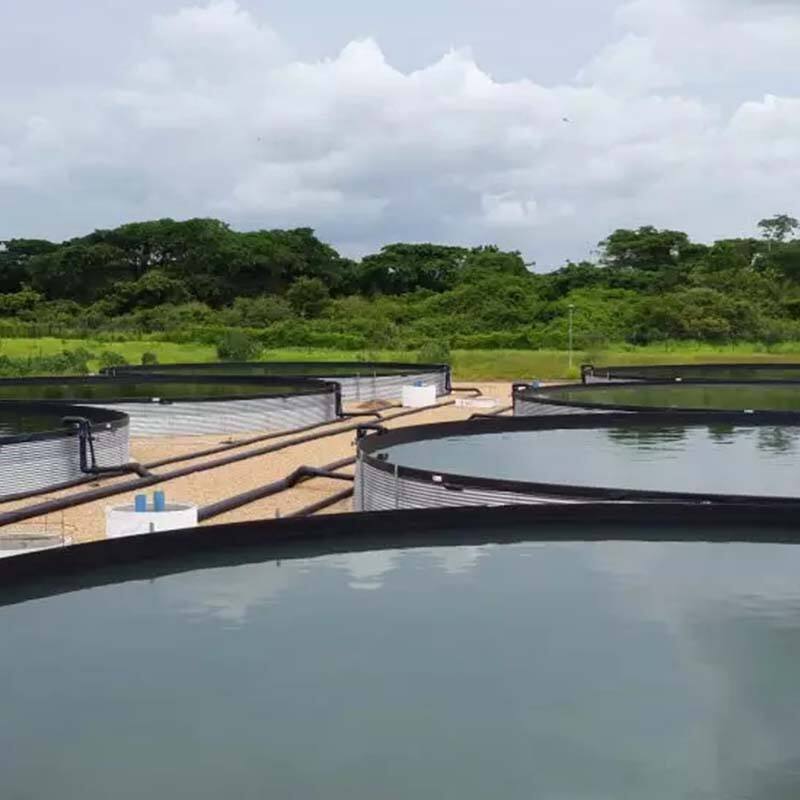
Wir haben einige gute Gründe, warum recirculated Aquakultur-Systeme so beliebt werden. Zunächst einmal sind sie umweltfreundlicher als herkömmliche Fischfarmen. Sie benötigen weniger Wasser und können sogar in der Wüste gebaut werden, wo es an Wasser mangelt. Dies ist noch wichtiger in Gebieten, die unter Wasserknappheit leiden. Diese Regionen können trotzdem frischen Fisch genießen, ohne viel Wasser zu verschwenden, und stattdessen können sie es für andere Dinge verwenden.
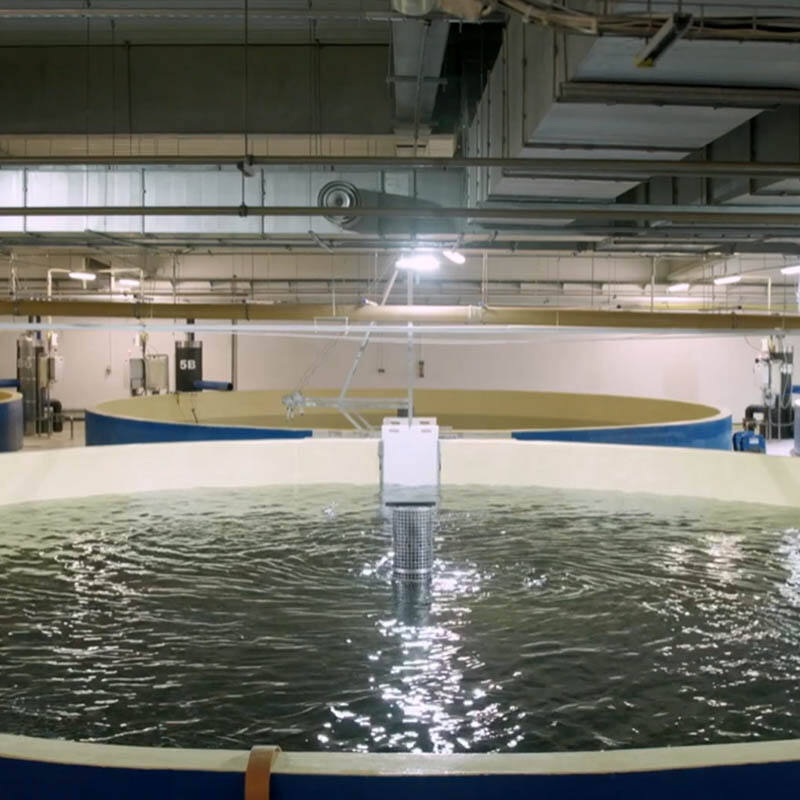
Die gesamte System-Aquakultur gewinnt ebenfalls an Popularität, weil sie uns ermöglicht, Fische zu züchten, die normalerweise schwer zu fangen sind. Darüber hinaus sind bestimmte Fischarten wie Lachs und Forelle nicht immer an den Orten, wo man sie erwarten würde, zu finden. Recirculated Aquakultur-Systeme ermöglichen es uns, einige dieser Fische selbst zu züchten, was den Zugang für alle Menschen erhöht.
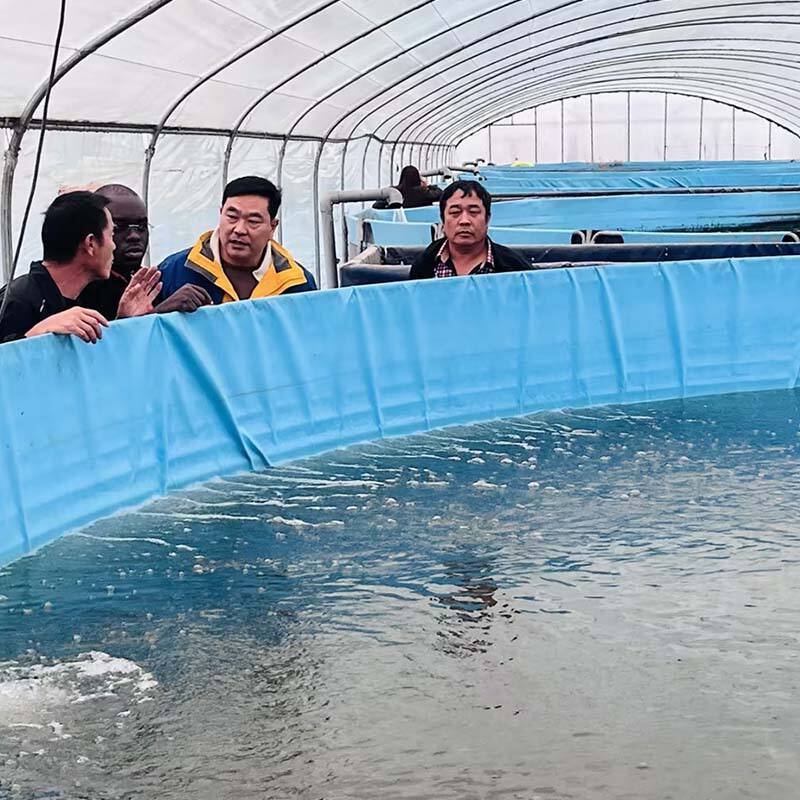
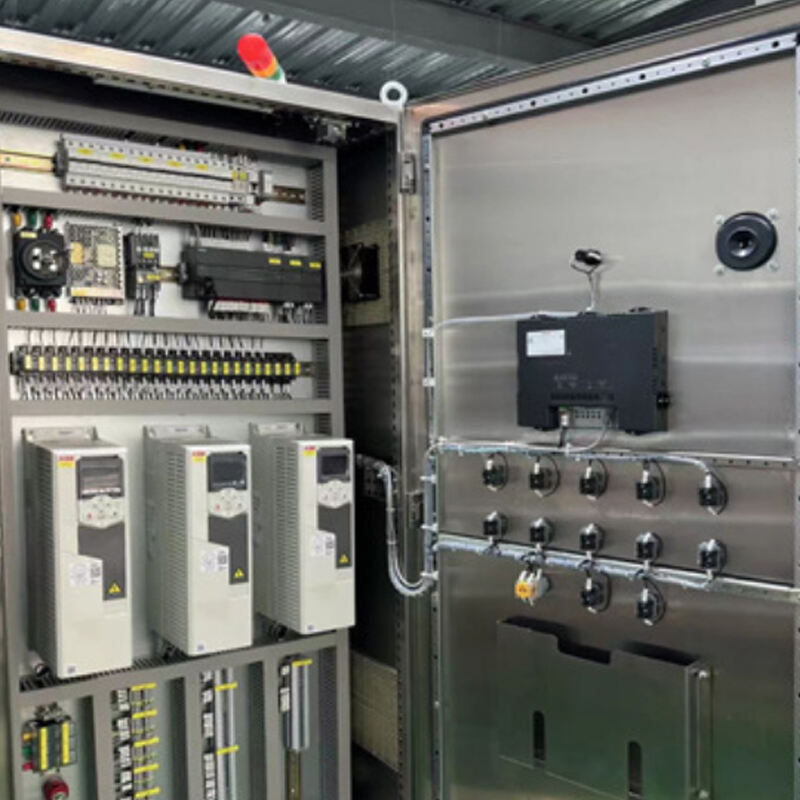
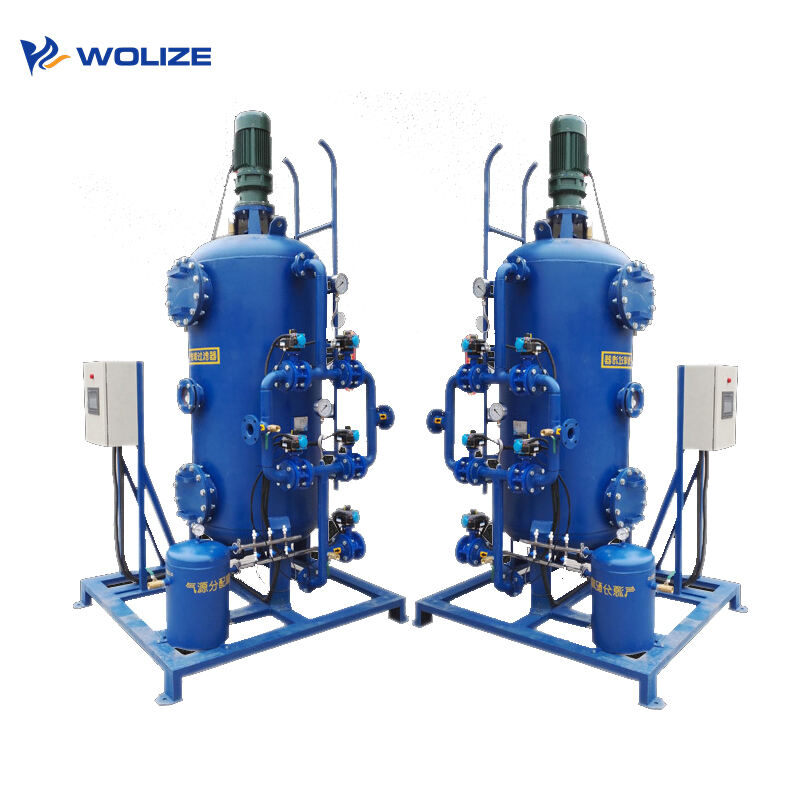
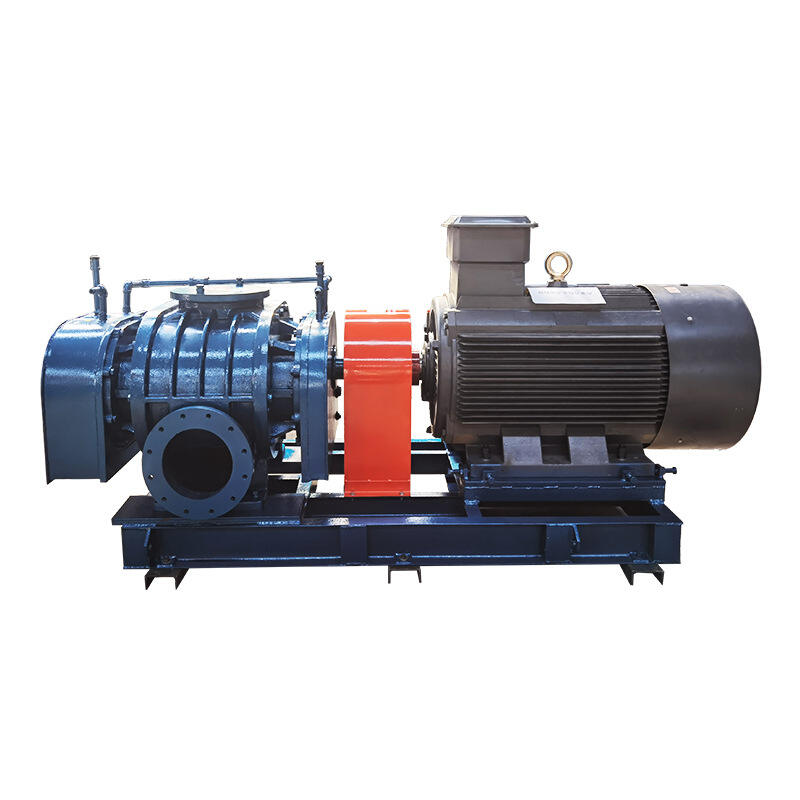
Recirculating Aquaculture System - ein großer Tank gefüllt mit sauberem Wasser, in dem Fische gezüchtet werden. Das Wasser wird gefiltert und erneut genutzt, immer sauber. Dieses System eliminiert die Abfälle und verhindert die Verschmutzung des Wassers für die Fische, da es den Tank sauber, frisch und gesund hält. Auch wird das Wasser behandelt, um die perfekte Umgebung für Fische zu schaffen, damit sie gesund und groß werden.
Wir können Ihnen umfassende Aquakulturpläne anbieten, die viele Aspekte wie das Design des Konzepts, Budgetplanung für Ausrüstungskonfigurationen und Ausrüstungsmontage abdecken. Es kann Ihnen besser bei der Durchführung des gesamten Aquakulturprojekts helfen, etwas, das gewöhnliche Unternehmen nicht bieten können.
Wir verfügen über Zertifikate wie ISO9001, ISO22000 und COA. Wir haben unsere Produkte in 47 Ländern angeboten und 22 Großprojekte mit einem Volumen von über 3000 Kubikmetern entwickelt. Unser Aquakultursystem hat Garnelen und Fische in 112 Ländern und Regionen produziert.
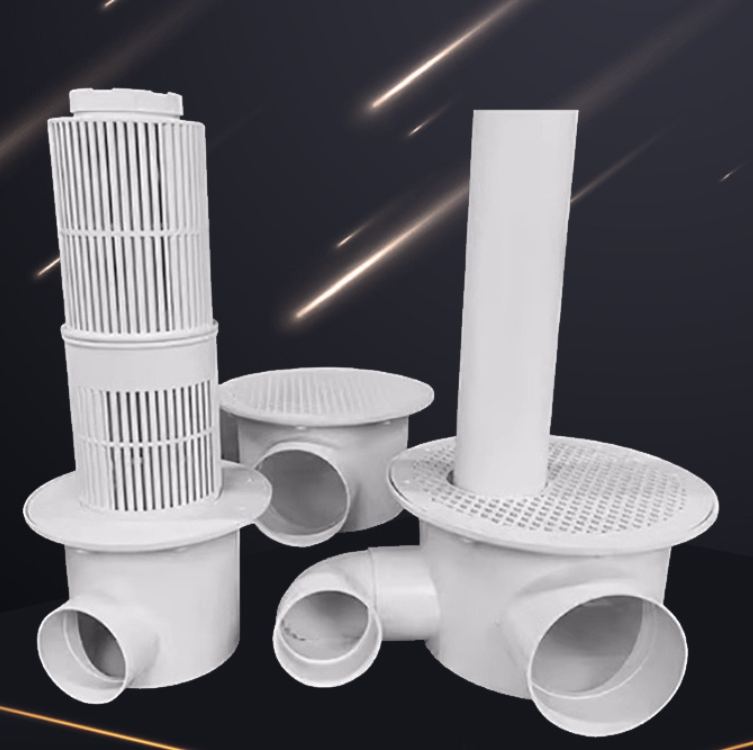
Wir spezialisieren uns auf die Gestaltung und Herstellung von PVC-Stahlrohrunterstützungen für Fischteiche. PVC galvanisierte Platten Fischteich. Wir haben eine Reihe von Auswahlmöglichkeiten in der Aquakulturausrüstung.
Wir sind seit 15 Jahren im Aquakultur-Bereich tätig und gehören zu den Top 3 Unternehmen in China. Wir haben strategische Partnerschaften mit vielen renommierten chinesischen Universitäten geschlossen. Außerdem verfügen wir über ein sehr erfahrenes Team für dichte Aquakultur-Designs, das Ihnen Produkte und Dienstleistungen bester Qualität bietet.