

Vedenkäsittelyn tarve vesiviljelyssä
Vesi on akvakulttuurin keskeinen komponentti, ja tulevan veden laatu määrittää suoraan sen menestyksen tai epäonnistumisen. Tällä hetkellä teollistumisen ja ihmistoiminnan lisääntyessä luonnonvesilähteiden saastumisriski kasvaa. Käsittelemätön vesi, joka pääsee akvakulttuurilammikoihin, ei ainoastaan aiheuta tauteja viljellyille organismeille ja vähentää niiden selviytymisastetta, vaan myös häiritsee ekologista tasapainoa, mikä aiheuttaa merkittäviä taloudellisia tappioita. Siksi asianmukainen tuloveden käsittely on välttämätön edellytys laajamittaiselle, terveelle ja kestävälle akvakulttuurille, eikä sen tarvetta voida sivuuttaa.
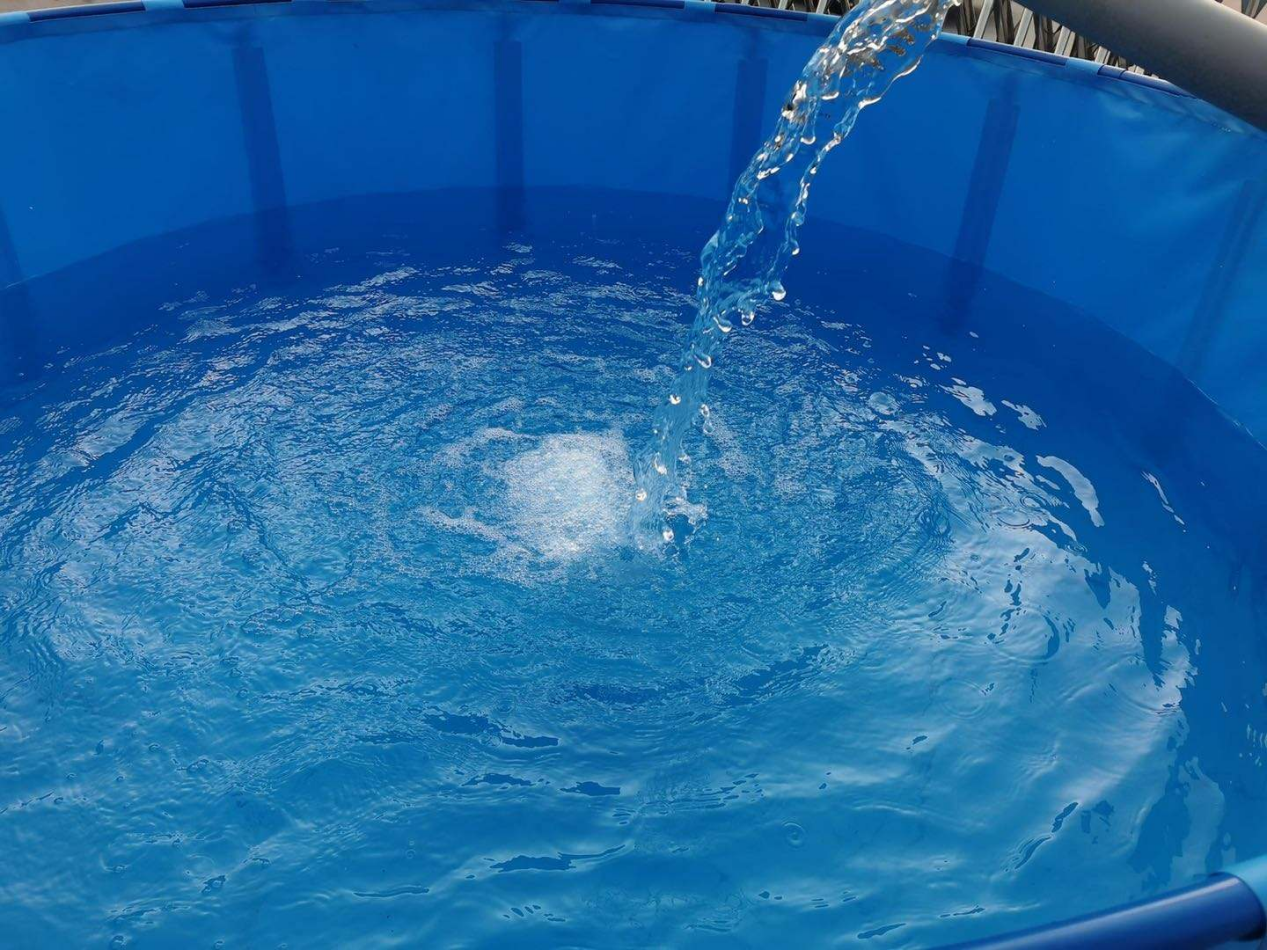
Tulovesien käsittely on ratkaisevan tärkeää sairauksien ehkäisemiseksi ja kasvatettujen eliöiden terveyden varmistamiseksi. Luonnolliset vesilähteet sisältävät lukuisia haitallisiksi osoittautuneita eliöitä, mukaan lukien patogeenit, virukset ja loisien munat. Nämä haitalliset aineet pääsevät vesiviljelyyn veden mukana ja lisääntyvät nopeasti sopivissa olosuhteissa. Kasvatettujen eliöiden, kuten kalojen ja katkarapujen, pitkäaikainen altistuminen saastuneelle vedelle johtaa merkittävään immuunijärjestelmän heikkenemiseen, mikä tekee niistä alttiita yleisille sairauksille, kuten kielirotolle, suolistontulehdukselle ja kuoren haavautumiselle, jotka voivat vakavissa tapauksissa aiheuttaa laajamittaisia kuolleisuustapauksia. Lisäksi veden lähteessä olevat myrkylliset ja haitalliset aineet, kuten raskasmetallit ja torjuntakeinojen jäämät, voivat kertyä kasvatettuihin eliöihin vaikuttaen paitsi niiden kasvunopeuteen ja laatuun, myös mahdollisesti siirtyen ihmisiin ravintoketjun kautta ja vaarantamaan elintarviketurvallisuuden. Tieteellinen vesikäsittely voi tehokkaasti tappaa haitallisiat mikro-organismit ja poistaa myrkylliset epäpuhtaudet, luoden turvallisen ja puhtaan elinympäristön kasvatettuille eliöille.
Tulevan veden käsittely stabiloi vesiviljelyn ympäristön ja tarjoaa sopivat kasvuolosuhteet viljellyille organismeille. Vesiviljelyllä on tiukat vaatimukset vedenlaatuun; pH:n, liuenneen hapen, ammoniakin ja nitriitin kaltaisten indikaattorien vaihtelut vaikuttavat suoraan viljellyn eliön kasvuun. Käsittelemättömät vesilähteet kärsivät usein epävakaasta vedenlaadusta, esimerkiksi sadeveden kuljettaaman lietteen liiallisesta määrästä, teollisuusjätevesien aiheuttamista poikkeavista pH-arvoista ja algaankukinnan aiheuttamista äkillisistä liuenneen hapen putoamista. Nämä ongelmat häiritsevät vesiviljelylammen ekologista tasapainoa, mikä johtaa viljellyn eliön stressireaktioihin, ruokahaluttomuuteen ja kasvun hidastumiseen. Sedimentointi-, suodatus- ja desinfiointiprosesseilla vedenlaatuindikaattoreita voidaan säätää sopiviin arvoalueisiin, mikä vähentää vedenlaatuvaihteluita ja tarjoaa viljellyille organismeille vakauden ja sopivan kasvuymäristön, jolloin kasvutehokkuus paranee.
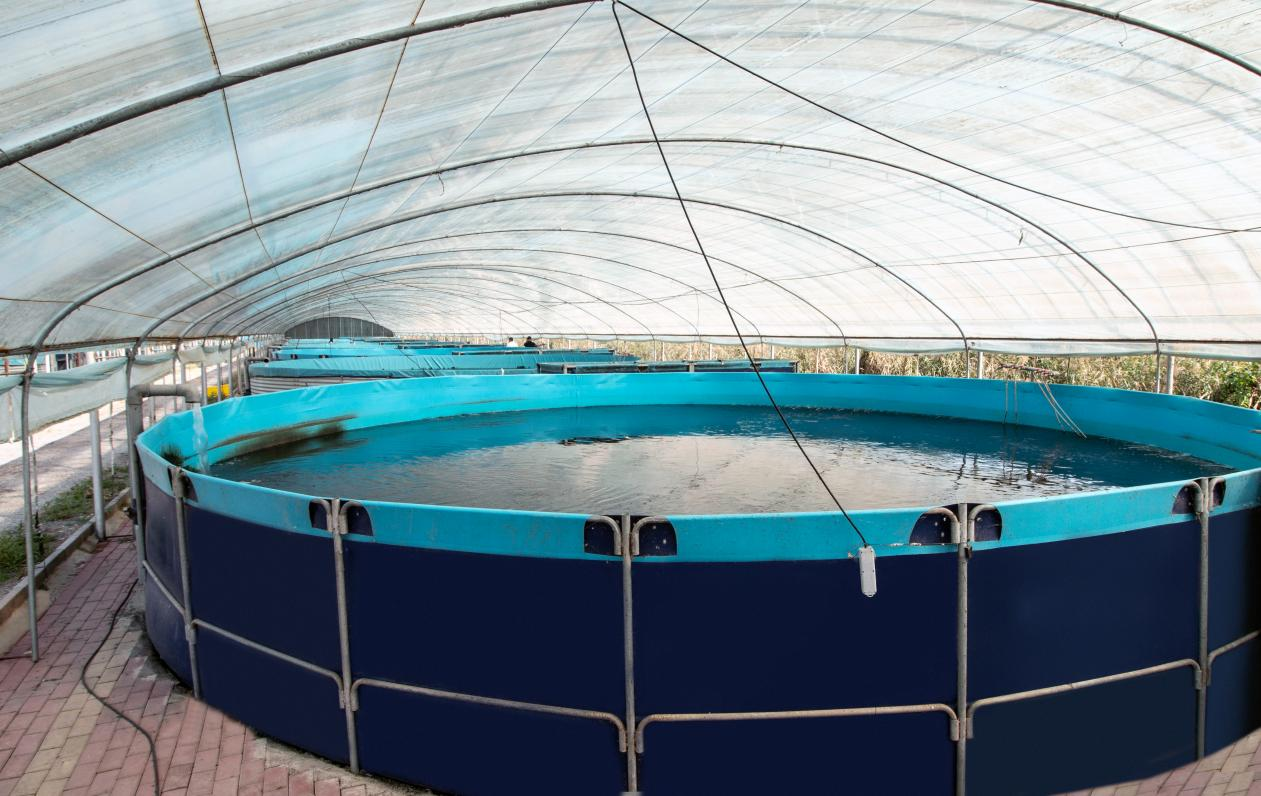
Vedenkäsittely lähteessä on tehokas tapa vähentää kalanviljelyn kustannuksia ja parantaa sen tehokkuutta. Monet viljelijät uskovat virheellisesti, että luonnonveden suora käyttö säästää kustannuksia ja painottavat kalanviljelyä vedenkäsittelyn sijaan. Tämä on väärin. Käsittelemätön vesi johtaa sairauden puhkeamiseen, mikä edellyttää suuria määriä eläinlääkitysaineita sekä ennaltaehkäisyyn että hoitoon, lisää kustannuksia ja voi vaarantaa tuotteiden myynnin lääkeresiduista johtuen. Lisäksi veden laadun heikkeneminen ja siitä johtuva viljeltyjen eliöiden kuoleminen aiheuttavat suoria taloudellisia tappioita. Sen sijaan asianmukainen vedenkäsittely lähteessä vähentää sairauksien esiintyvyyttä, alentaa lääkkeiden käyttöä ja parantaa viljeltyjen eliöiden selviytymisastetta sekä tuotteiden laatua. Korkealaatuiset viljeltyjen eliöiden tuotteet ovat kilpailukykyisempiä markkinoilla, mikä auttaa viljelijöitä saavuttamaan korkeammat taloudelliset hyödyt ja toteuttamaan tavoitteen "laadun ja tehokkuuden parantaminen".
Tällä hetkellä vesiviljely kehittyy kohti intensifiointia ja standardointia, ja vedenlaatua koskevat vaatimukset ovat yhä korkeammat. Vedenkäsittelyn laiminlyönti lähtöpisteessä ei ainoastaan rajoita vesiviljelyn teollisuuden kehitystä, vaan pahentaa myös vesisaastumista, luoden näin epäterveen kiertoprosessin: "saastuminen – saastumuksesta johtuva vesiviljelyn vaurioituminen – uusi saastuminen". Siksi vesiviljelijöiden tulisi kiinnittää tähän ongelmaan enemmän huomiota ja ottaa käyttöön tieteellisesti perusteltuja vedenkäsittelymenetelmiä sisääntulevan veden puhdistamiseksi omien vesiviljelyn mittakaavan ja vedenottopaikan olosuhteiden mukaan. Vain tällä tavoin voimme edistää vesiviljelyn teollisuuden terveellistä ja kestävää kehitystä sekä saavuttaa sekä ekologisia että taloudellisia etuja tuovan voitto-voitto-tilanteen.
Suositellut tuotteet
Uusimmat uutiset
-
Joulutuotteen alennus on tullut
2024-12-26
-
Onko totta, että korkeankoodisten kuvauspohjisten kalanpesälaitosten käyttö on tehokkaampaa kuin tavallisten pesälaitosten?
2024-12-16
-
Edut rautasillansoidusta kalalammasta
2024-10-14
-
Korkeankoodinen kalankasvatus, kalalammen kustannus, hiekka-vedenkäsittelylaminen, hiekka-lammas, korkeankoodinen kalankasvatus
2024-10-12
-
Miksi valita virtavaikutuksen korkeankoodinen vedenkasvatus
2023-11-20