

Flow-through Aquaculture: A New Frontier in the Aquaculture Industry
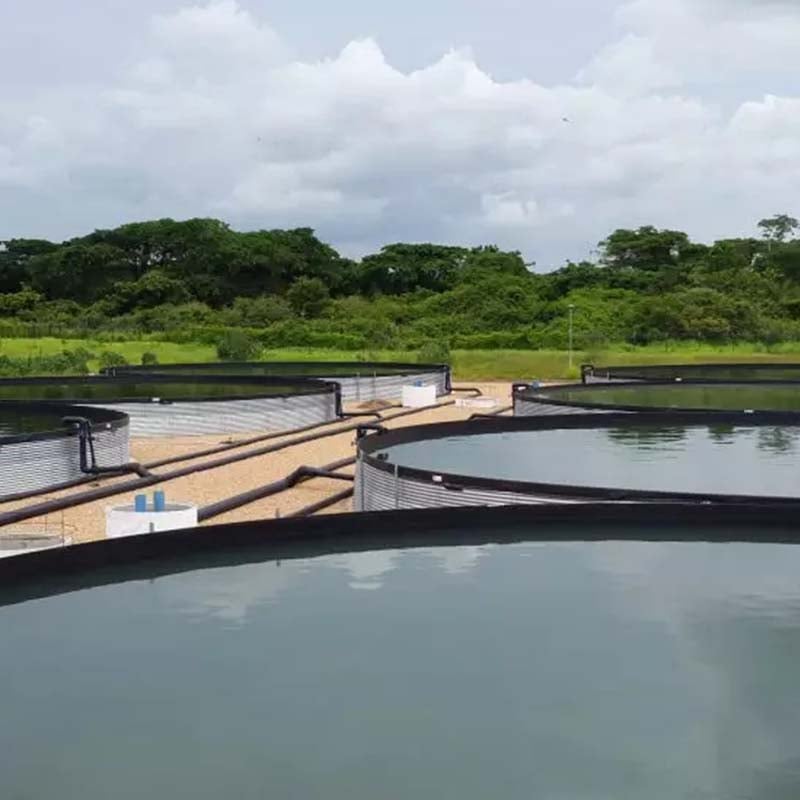
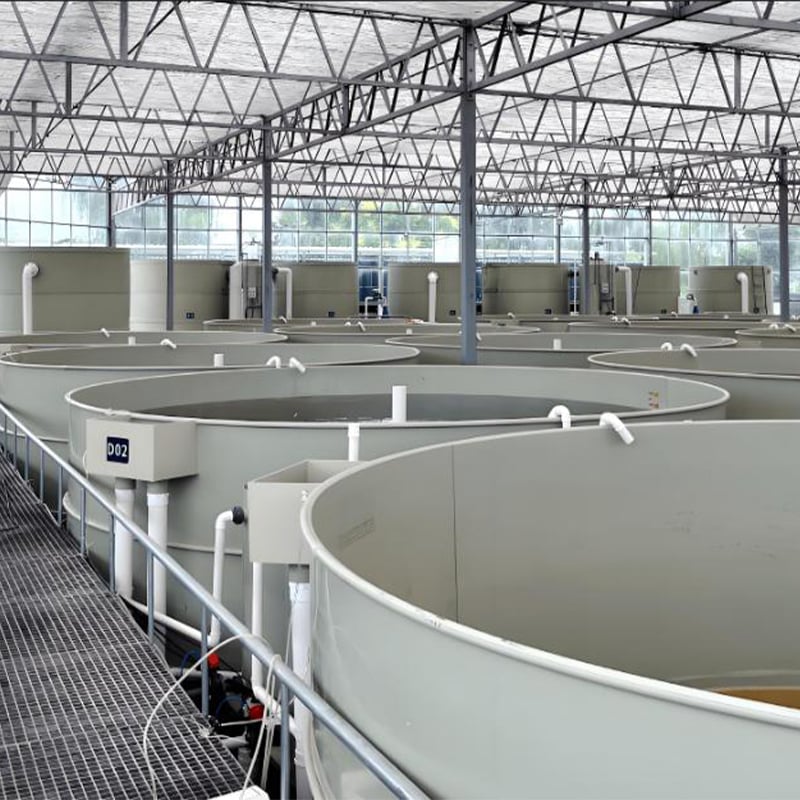
Flow-through aquaculture, also known as live-water farming, uses continuous supplies of natural water from rivers, springs, or groundwater to maintain a constant flow through rearing ponds. The flowing water provides oxygen and carries away metabolic wastes, creating a stable and clean environment for aquatic organisms. It is a mature and efficient modern farming model.
The history of flow-through aquaculture stretches back thousands of years. In ancient times, people in mountainous regions with abundant springs dug simple fish ponds along streams to raise fish in running water. China’s Southern Song Dynasty chronicle Xin’an Zhi (Records of Xin’an) contains a complete account of spring-water fish farming in mountainous areas—the earliest written record of flowthrough aquaculture in China. In its early days, flowthrough farming was mostly a smallscale household activity, using earthen ponds and simple channels, and the species raised were limited to native freshwater fish. With advances in modern engineering, intelligent monitoring, and improved breeding technologies, flowthrough systems have undergone a comprehensive upgrade: standardized, leakproof, and durable ponds are now widely used; automated sensors for dissolved oxygen, pH, and ammonia nitrogen enable realtime water quality control; and improved fish strains together with specially formulated compound feeds have greatly boosted both yield and quality. Today, flowthrough aquaculture has become the mainstream approach for highvalue coldwater fish worldwide, with species such as salmon and rainbow trout highly dependent on these systems. It has also spurred the development of processing and freshproduct supply chains, making important contributions to food security and rural economies.
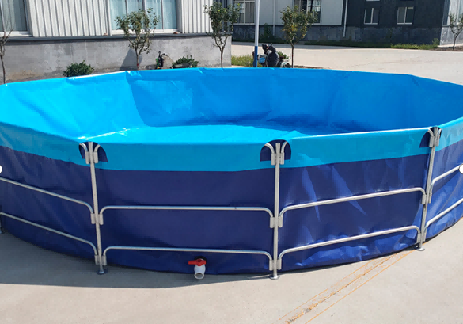
Compared with traditional earthen pond farming, flowthrough aquaculture offers several distinct advantages. The first is high productivity with manageable costs. The continuous water flow steadily replenishes dissolved oxygen, accelerating the metabolism and growth of the cultured animals. The moving water also carries natural plankton, which can supplement formulated feed and reduce input costs. At the same time, highdensity stocking increases output per unit area; uneaten feed and waste are rapidly flushed out, preventing pollution from decomposing organic matter; and the standardized facilities are durable and reusable, spreading out longterm costs.
Second, the water environment is stable and ecologically friendly. The constant flow dilutes toxic metabolites such as ammonia nitrogen and nitrite, preventing the buildup of harmful substances. Stable inflow temperatures and pH levels buffer against sudden environmental changes—cooling in summer and retaining warmth in winter—greatly reducing stress and disease incidence. Most modern flowthrough farms are equipped with tailwater treatment and recirculation systems that purify effluent for reuse. In contrast to traditional earthen ponds that discharge wastewater directly, this approach effectively avoids eutrophication in rivers and lakes, offering much stronger ecological sustainability.
Third, the product quality from flowthrough systems is superior. Fish and shrimp reared in flowing water are in constant motion, resulting in firmer muscles, better feed conversion, and shorter growout cycles. The lowstress, lowdisease environment greatly reduces the need for antibiotics, while the meat has a firmer texture and better flavor, with higher levels of beneficial nutrients such as Omega3 fatty acids—meeting the growing consumer demand for healthy, fresh aquatic products.
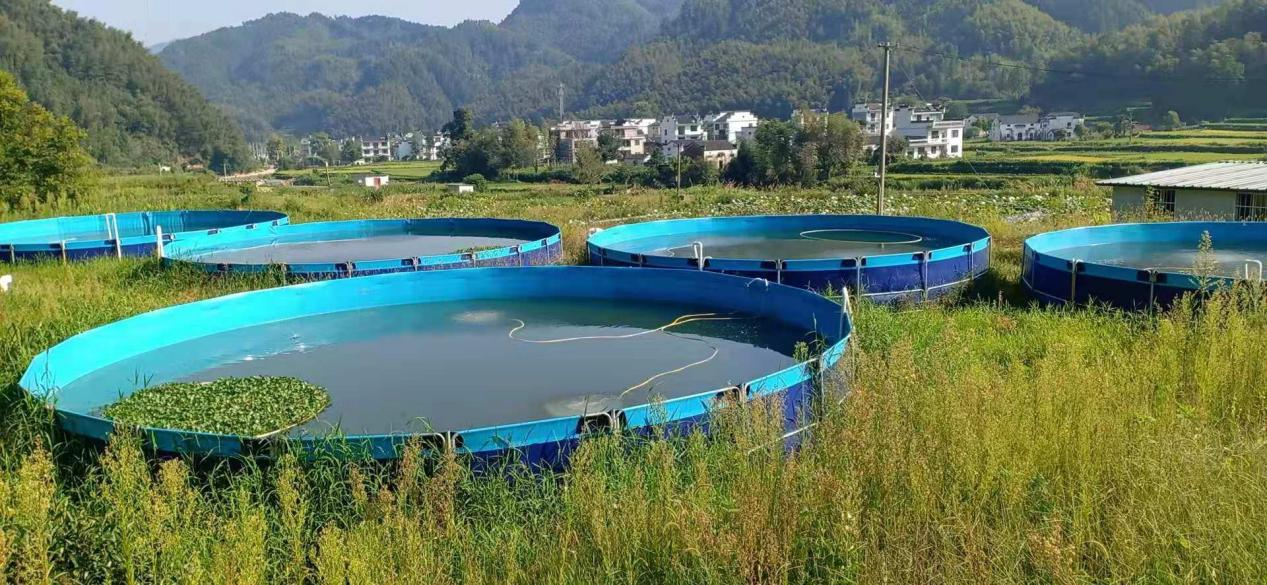
Of course, flowthrough aquaculture has its drawbacks. The initial investment in facilities and smart monitoring equipment is high, and farmers must acquire specialized skills in water flow regulation, equipment maintenance, and emergency waterquality management—making the operational threshold much higher than that of extensive earthenpond systems. Traditional earthen ponds, by contrast, require low infrastructure investment and are simple to operate, but they are heavily affected by seasonal and weather changes. Sharp temperature swings, heavy rain, or overcast days can easily cause dissolvedoxygen crashes and algal blooms. Stocking densities are limited, product quality fluctuates widely, and disease outbreaks are more likely—resulting in overall economic performance that falls short of flowthrough systems.
Looking to the future, intelligent and green technologies will be the core directions for flowthrough aquaculture. AIdriven waterquality forecasting and fully automated flowcontrol systems are gradually being deployed, reducing the need for manual oversight. Waterrecycling technologies will continue to improve, further reducing freshwater consumption. As global demand for highquality, ecofriendly farmed aquatic products continues to rise, flowthrough aquaculture—with its core strengths of high yield, premium quality, and low pollution—is set to occupy an even more important position in the world aquaculture industry. It will continue to ensure a stable supply of aquatic products and promote the highquality, sustainable development of the aquaculture sector.
Recommended Products
Hot News
-
The Christmas discount has arrived
2024-12-26
-
Is it true that raising fish in high-density canvas fish ponds is more efficient than ordinary ponds?
2024-12-16
-
Advantages of galvanized canvas fish pond
2024-10-14
-
High-density fish farming technology, fish pond cost, canvas fish pond, canvas pond, high-density fish farming
2024-10-12
-
Why choose flowing water high-density aquaculture
2023-11-20