One System, Every Species: How RAS Makes Multi-Species Fish Farming Possible

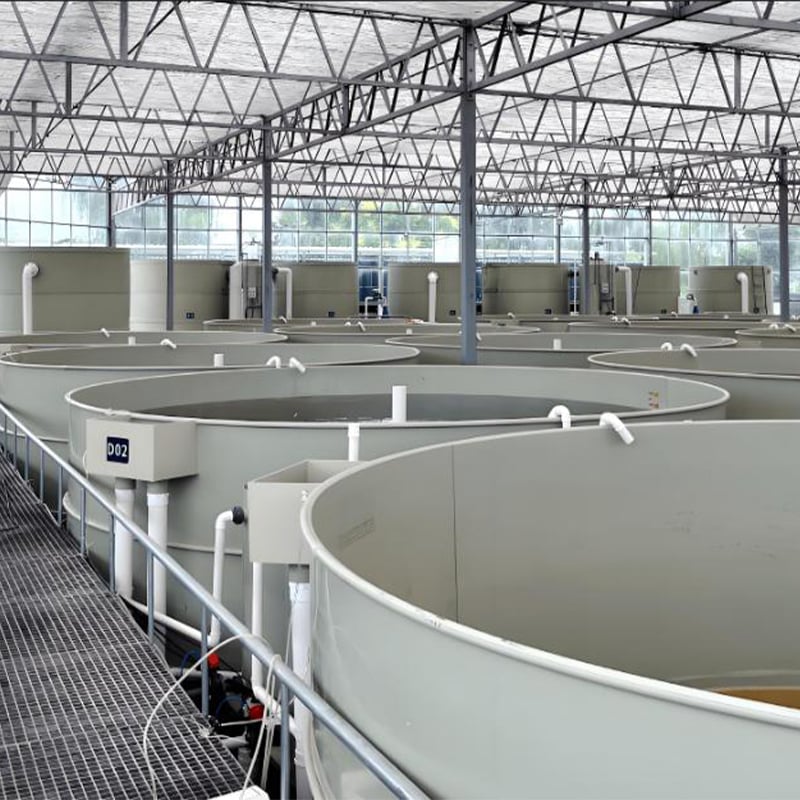
For generations, fish farmers were limited by a single question: "What can I grow here?" In traditional pond or cage aquaculture, the answer was dictated by climate, water source, and geography. Recirculating Aquaculture Systems (RAS) have changed that equation entirely. By filtering, treating, and reusing water indoors, RAS lets producers raise a remarkably wide range of fish species under one roof — chosen not by what the environment allows, but by what the market demands.
Why RAS Fits So Many Species
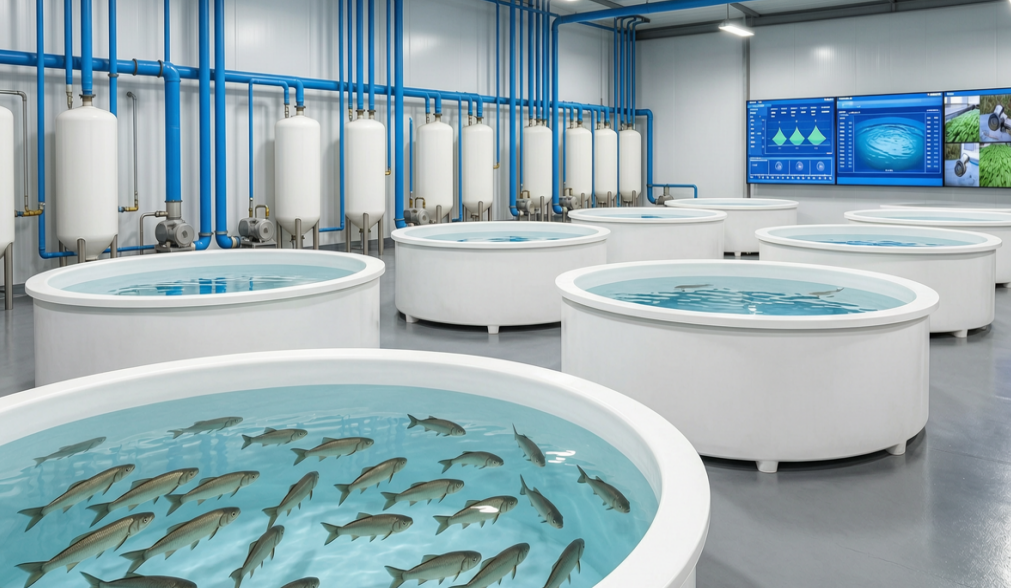
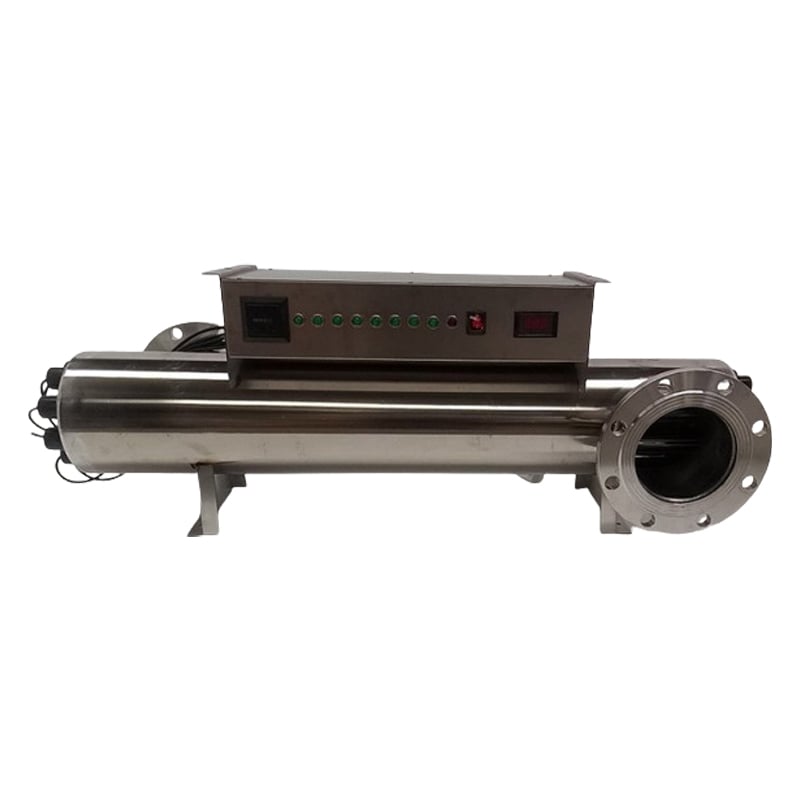
At its core, RAS is a water-management technology. Fish are raised in tanks, and the water flows through a continuous treatment loop: mechanical filters remove solid waste, biological filters convert toxic ammonia into harmless nitrate, and UV or ozone treatment keeps pathogens under control. Well-designed systems replace only 5–10% of their water per day.
This control is what unlocks species flexibility. Temperature, dissolved oxygen, salinity, flow rate, and lighting can all be tuned independently for each culture loop. A single facility can run cold-water loops for salmonids while running warm-water loops for tilapia in the next room. In short, the fish no longer adapt to the environment — the environment adapts to the fish.
Species That Thrive in RAS
The commercial list keeps growing, and it spans the value chain:
- Salmon and rainbow trout — cold-water, high-value species that have become the flagship products of large-scale RAS operations across Europe and North America.
- Tilapia and catfish — hardy, fast-growing species that tolerate higher stocking densities, making them ideal entry points for newer operators.
- Barramundi (Asian sea bass) and European sea bass — premium marine and euryhaline species increasingly farmed inland, far from the coast.
- Yellowtail and amberjack — fast-growing sashimi-grade fish attracting strong demand from restaurants.
- Shrimp — technically not fish, but vannamei shrimp is now one of the most successful RAS products, proving how far the technology can stretch.
- Sturgeon — raised for caviar in controlled conditions that protect one of aquaculture's most luxurious products.
- Ornamental fish — a niche where stable water quality and year-round breeding cycles give RAS a decisive edge.
The Business Case for Multi-Species Farming
Running several species in one facility is more than a technical achievement — it is a risk-management strategy. If the price of one species drops or demand shifts seasonally, producers can rebalance production without rebuilding their infrastructure. Diversified portfolios also smooth cash flow, because different species reach market size on different timelines.
There is a sustainability story as well. Because RAS facilities can be located near cities, fish travel shorter distances to market, cutting transportation emissions. Precise feed management and water recycling reduce waste, and the enclosed environment dramatically lowers the need for antibiotics.
Challenges Worth Knowing
Multi-species RAS is not plug-and-play. Each species requires its own feed formulation, stocking strategy, and biosecurity protocol, and loops must be designed — or retrofitted — around the most demanding species in the mix. Capital costs are significant, and skilled operators are essential to keep the biological filters stable. Success comes from starting with one or two well-understood species and expanding gradually as the team's experience grows.
The Bottom Line
RAS has turned aquaculture from a location-dependent business into a technology-driven one. The ability to farm salmon, tilapia, shrimp, and sturgeon within the same building is no longer a showcase experiment — it is a working business model. For producers who value flexibility, biosecurity, and proximity to market, RAS offers something no pond or cage ever could: the freedom to choose your species based on opportunity, not geography.
Recommended Products
Hot News
-
The Christmas discount has arrived
2024-12-26
-
Is it true that raising fish in high-density canvas fish ponds is more efficient than ordinary ponds?
2024-12-16
-
Advantages of galvanized canvas fish pond
2024-10-14
-
High-density fish farming technology, fish pond cost, canvas fish pond, canvas pond, high-density fish farming
2024-10-12
-
Why choose flowing water high-density aquaculture
2023-11-20