 ×
×
Are you curious as to where that seafood came from? What may surprise you is that a lot of it comes from fish farms. Areas such as this are special, generating a lot of fish on an industrial basis. The notion of fish farming is on higher rate in every country. It was done already by thousands and centuries, though due to many technological advances as well methodology but also nutritional insights helped us to do it even more optimally.
Every single day the world is being crowded with more and more people who require seafood. As the number of eaters grows larger and meets more modern mouths, we need yet even MORE fish to feed everyone in ways that people want. Step forward aquaculture - fish farming. Because they can grow more fish than we could possibly catch in the oceans. The farming of fish also means that the wild ocean is not harvested any more, so it's a major development in helping to protect delicate ecosystem which nurtures many other types of sea creatures.

Rearing fish is a difficult task, as it involves many ingredients and lots of planning. Another key is the water quality. Fish will only survive in clean, healthy water, and fish farmers have to be constantly checking the health of their waters management so they can keep their precious stock alive. The fish, depending on the type of species should be provided with appropriate food that will keep them well and continue to growing. Farmers also need to make sure that the fish are kept in a proper zone where they have enough space as well maintained water temperature.
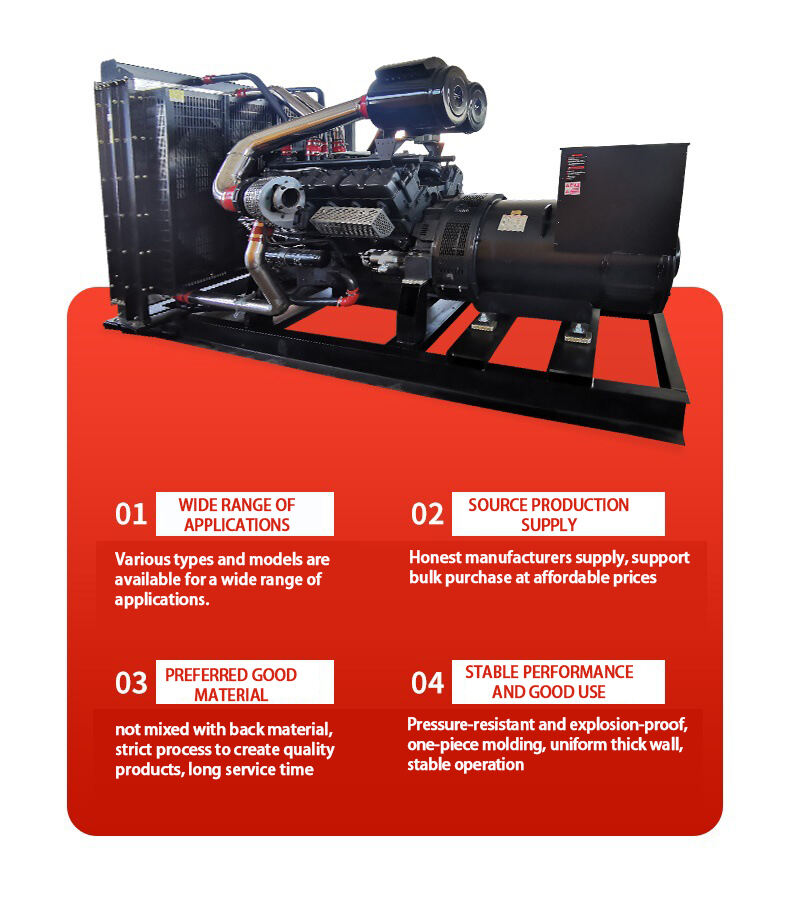
Fish farming has also come on in leaps: the last few years have seen some notable breakthroughs and improvements. Since this will be pollution-less and more working at a precision level, from farmers to invention technologies. For instance, some fish farms are able to harness solar power in order to produce a consistent supply of clean energy used across the all facilities. Others are simply being a bit smarter and using some kind of special recirculating system so they can reuse them, in which case fair play to you! In other words, aquaculture can be even more sustainable - and it should.
It has a lot of good sides going for it, but also downright sinister details and its own horror stories. The diseases are known to spread in high density fish houses and make the entire stock. That is why farmers should be cautious, and check for any illness in order to keep a sick-free environment. The other thing that must take into account with this fact is the more fast movement of mode fish culture faster big scale farm producing it could economically affects wild one as well! Rather, we are better off striking that balance where both farmed and wild fish populations have their place.
We have more than 15 years production experience in the aquaculture business and are one of the top three companies in the Chinese aquaculture sector. We have strategic partnerships with various renowned Chinese universities and highly skilled team system designers with high density that can offer the most superior products and services.
We can give you with complete aquaculture programs that covers many aspects such as design of the program, equipment configurations budgeting, and equipment installation. This will help you complete your aquaculture venture. The typical business not able to accomplish this.
We are certified by ISO9001, ISO22000 and COA. We have delivered our products in 47 countries and constructed 22 large-scale, high-volume projects with more than 3000 cubic meters. Our aquaculture systems are used for the production of shrimps and fish across 112 countries.
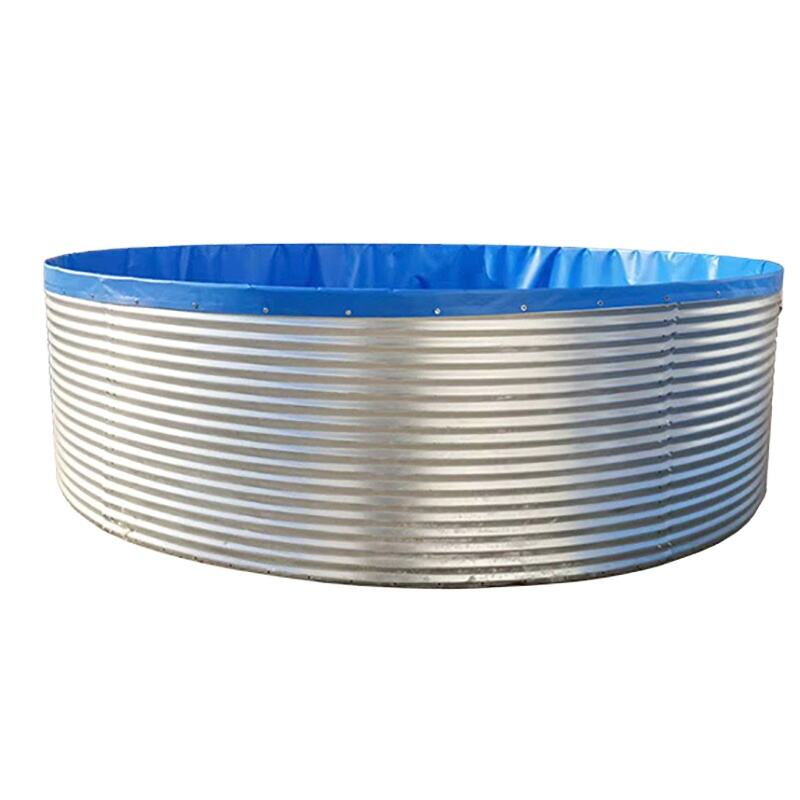
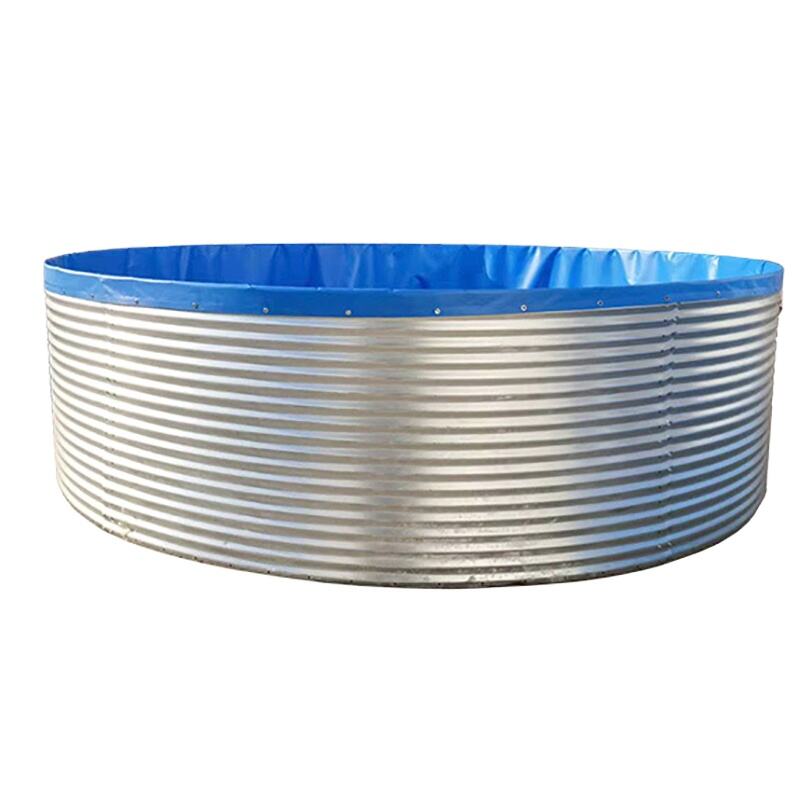
We are specialize in manufacturing of PVC steel pipe that supports fish ponds. PVC galvanized plates fish ponds. Aquaculture systems can be fitted with variety of options.