

نظام الاستزراع المائي بالجريان المستمر: دع الماء يتدفّق وراقب نمو الأسماك
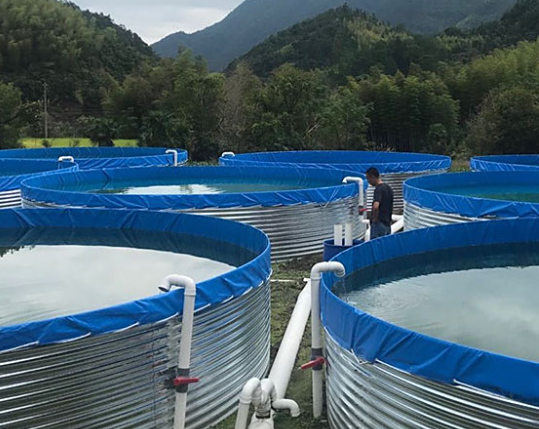
نظام تربية الأحياء المائية بالتدفق المستمر (FTS) هو نموذج زراعي يعتمد على إمدادٍ مستمرٍ من المياه العذبة للحفاظ على بيئة نمو صحية —وهو ما يزال أحد أكثر الأنظمة انتشاراً في مجال تربية الأحياء المائية عالمياً اليوم. تدخل المياه البركة عبر أنبوب دخول بينما تُصرف المياه الملوثة في الوقت نفسه عبر أنبوب خروج، مما يخلق دورة ديناميكية تُعرف بـ "الدخول والخروج". وتبقى مياه البركة عذبة في جميع الأوقات، ما يسمح للأسماك بالنمو في بيئة مائية تشبه البيئة الطبيعية قدر الإمكان.
يقدِّم نظام التدفُّق المستمر ثلاث مزايا أساسية. أولاً، استقرار جودة المياه. فالتدفُّق الثابت يَحمِل بعيداً العلف غير المأكول والفضلات، ما يمنع تراكم الأمونيا والنتريت، ويقلِّل بذلك بشكلٍ كبيرٍ من خطر الإصابة بالأمراض. ثانياً، وفرة الأكسجين المذاب. فالماء الجارٍ يُجدِّد الأكسجين باستمرار، ما يعزِّز كمية العلف التي تتناولها الأسماك ومعدَّلات نموها، فيحقِّق إنتاجية أعلى لكل وحدة من المياه. ثالثاً، انخفاض تكاليف التشغيل. فمقارنةً بأنظمة الاستزراع المائي الدوراني (RAS)، لا يحتاج نظام التدفُّق المستمر إلى أي ترشيح ميكانيكي أو مرشحات حيوية أو معدات معالجة مائية ثقيلة أخرى. كما أن الاستثمار الأولي والاستهلاك اليومي للكهرباء يكونان أقل تكلفة، ما يجعل هذا النظام مثالياً للمناطق التي تتوفر فيها مصادر مائية وافرة.
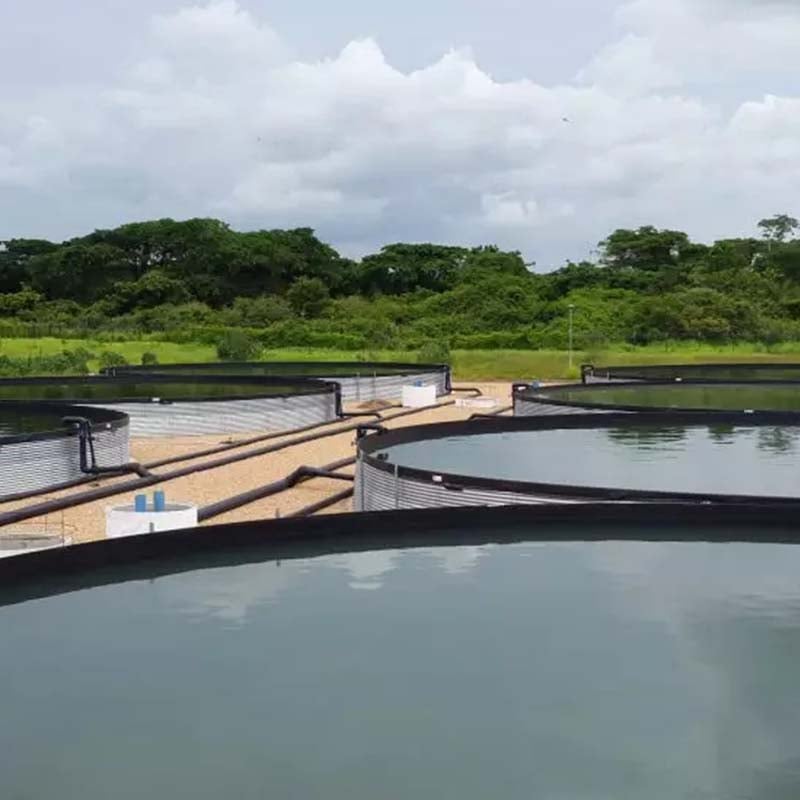
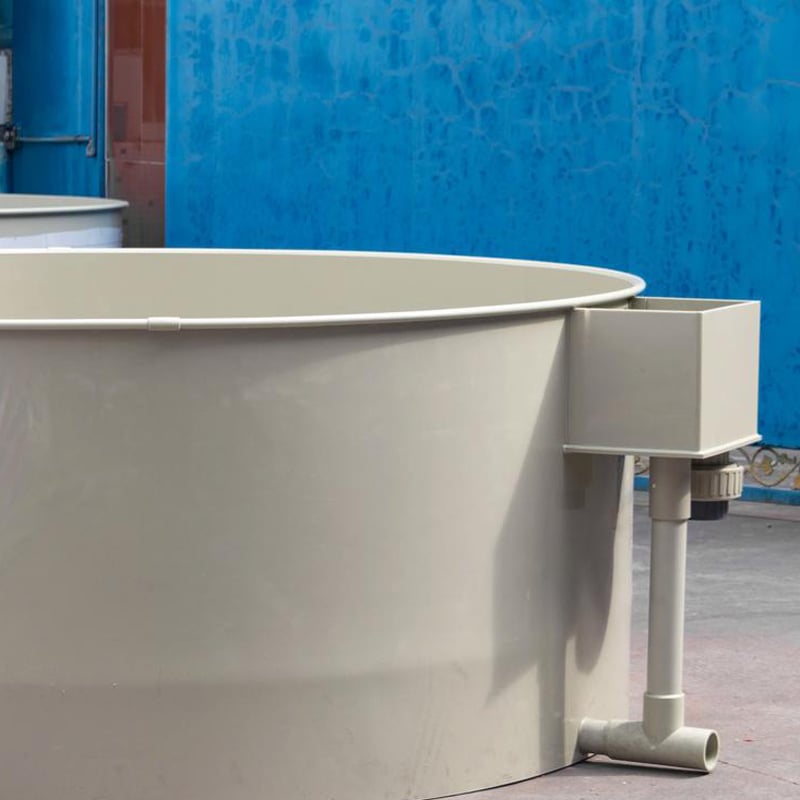
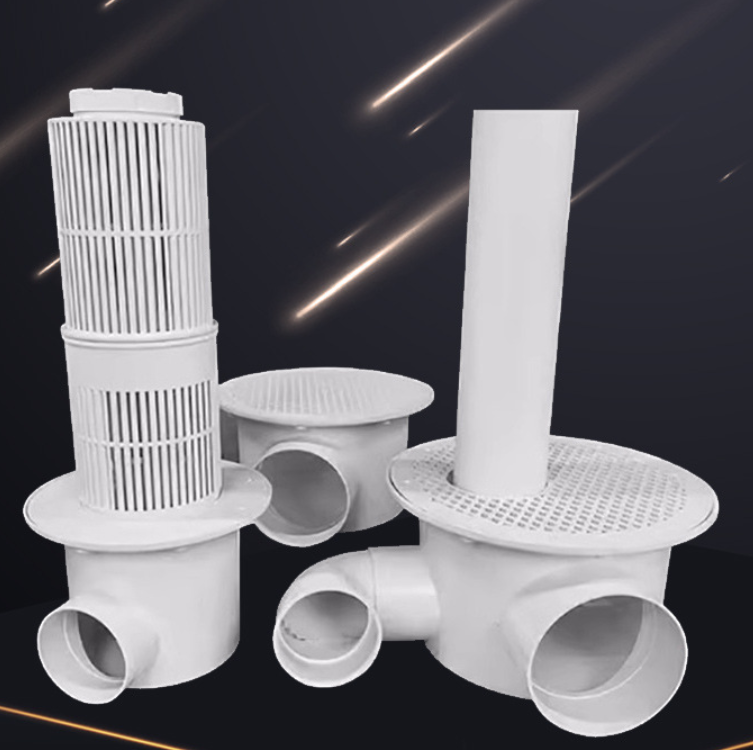
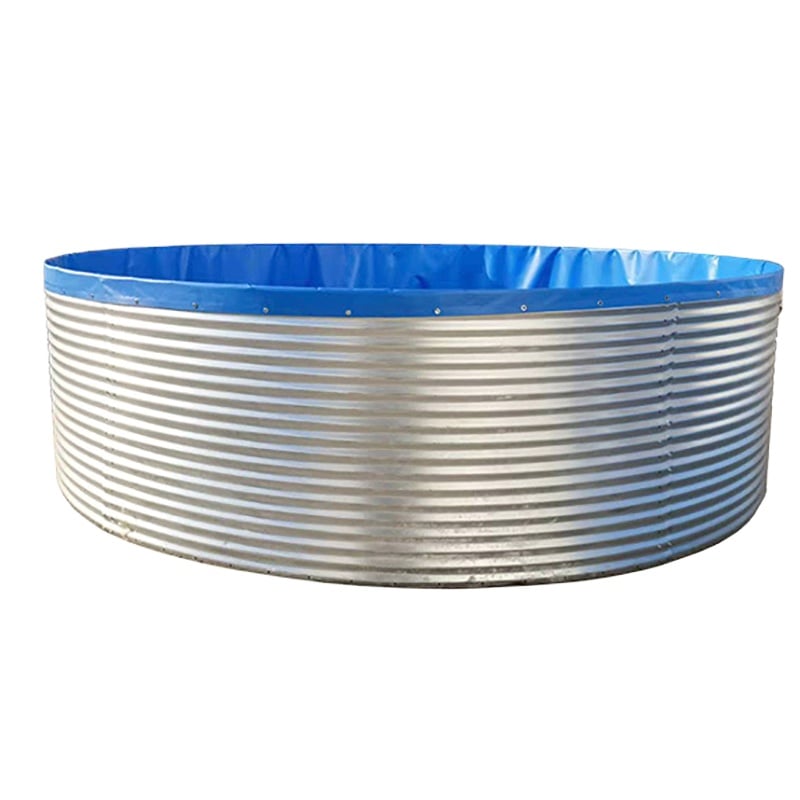
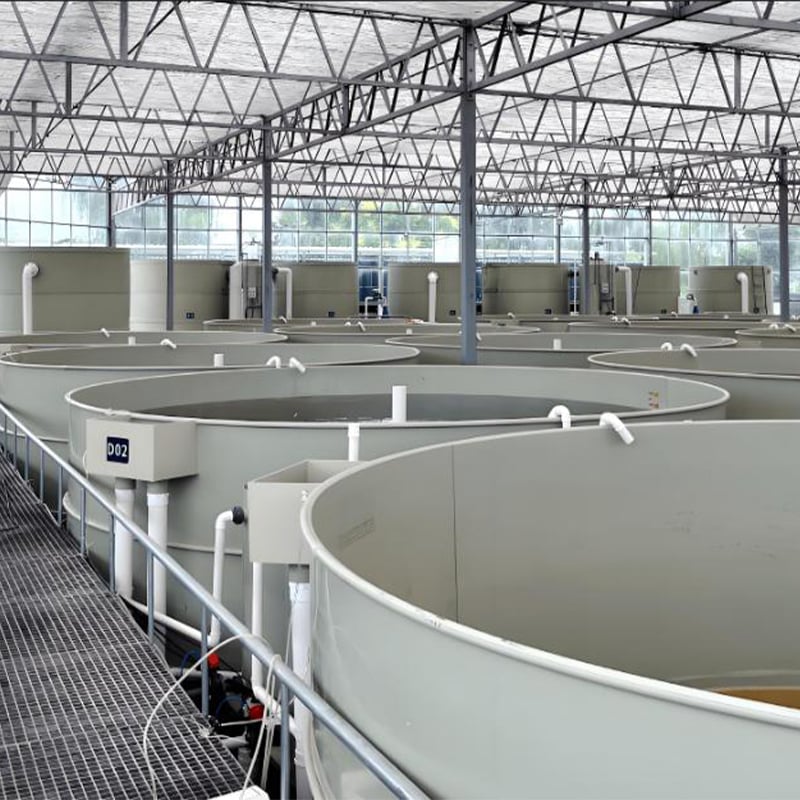
يتكون نظام التدفُّق المستمر الكامل عادةً من خزان لتخزين المياه وأنابيب للإدخال وبرك لتربية الأسماك ونظام تصريف ومُنبِّه هوائي. والبركة نفسها هي قلب النظام. ونوصي باستخدام هيكل من ألواح الفولاذ المجلفن المبطَّنة بمطاط PVC ذي درجة جودة مناسبة للاستزراع المائي. —مقاوم للتأكل، وسهل التنظيف، وطويل الأمد. ويجب أن تكون أنابيب المدخل والمخرج مرتبة بشكل متناوب لتفادي المناطق الميتة، كما تتيح المصارف السفلية إزالة الرواسب المتراكمة بسرعة. أما بالنسبة للتهوية، فإن المروّح المزوج بمشتّتات قرصية يحافظ على مستويات الأكسجين المذاب عند الحدود الآمنة حتى أثناء انقطاع المياه أو فترات السكون، مما يمنع اختناق الأسماك.
تناسب نظام التدفق المستمر (FTS) بشكل خاص الأنواع عالية الإنتاجية مثل سمك الكنغري وسمك البلطي، وهو مناسب تمامًا للمزارعين الذين لديهم إمكانية الوصول إلى جداول الجبال أو الخزانات أو مياه الآبار. ويسهل البدء باستخدامه، ويحقّق فترة استرداد قصيرة، وغالبًا ما يكون الخطوة الأولى للمزارعين الذين ينتقلون من الزراعة المائية التقليدية إلى الزراعة المائية القياسية القابلة للتوسّع. وهو أيضًا أحد النماذج الأساسية في حلولنا الشاملة المقدمة للعملاء في الخارج. سواء كنت تبدأ من الصفر أو تقوم بتحديث مزرعة أسماك قائمة، يمكنك البدء بوحدة تدفق واحدة ثم التوسّع تدريجيًّا.
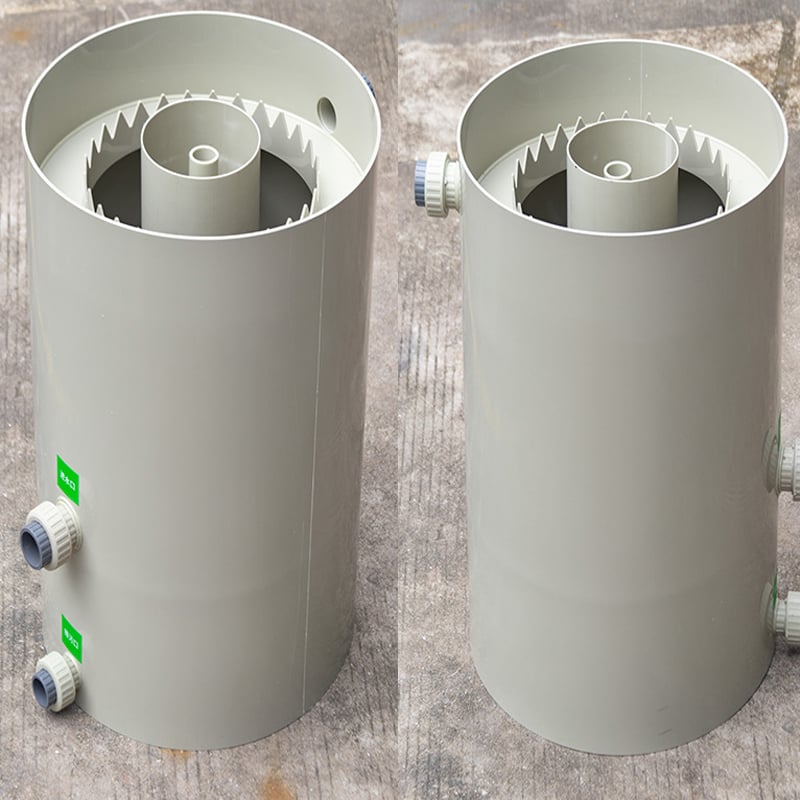
يُعَدُّ التخطيط السليم للموقع وإدارة مياه الصرف الصحي أمراً جوهرياً لتعظيم أداء نظام التغذية المائية الدائرية (FTS) وصداقة البيئة. ويجب اختبار المياه الداخلة بانتظام من حيث درجة الحرارة، والأس الهيدروجيني (pH)، والأكسجين المذاب، والمواد العالقة لتفادي إدخال ملوثات إلى أحواض التربية. وفي الوقت نفسه، ينبغي أن تخضع مياه الصرف الخارجة لمعالجة ترسيبٍ بسيطة قبل تصريفها، ما يقلل فعّالياً من جريان المغذيات ويساعد مزرعتك على الامتثال للوائح البيئية المحلية. وسيحسب فريقنا الهندسي معدل تبديل المياه الأمثل وفقاً لكثافة التخزين المستهدفة، ونوع الأسماك، والظروف المائية المحلية، مما يمكّنك من تحقيق توازنٍ جيّد بين الإنتاج الزراعي والاستخدام المسؤول للمياه.
كما نقدّم حزمًا وحداتيةً مخصصةً بالكامل لتتناسب مع ميزانيات المشاريع المختلفة وتخطيطات المواقع. سواء كنت بحاجة إلى خزانات دائرية مغلفنة منفردة، أو تخطيطات متعددة الخزانات على شكل قنوات، أو تصميم هجين يجمع بين وحدات التدفق المباشر وإعادة تدوير جزء من المياه، فيمكننا تعديل أحجام الخزانات وتكوينات الأنابيب وقدرات التهوية وفقًا لذلك. وتشمل كل حزمة كتيبات تثبيت مفصلة، وإرشادات تشغيل، ودعم فني عن بُعد، ما يساعدك على تقصير دورة الإنشاء وتفادي الأخطاء المكلفة في الموقع. وإذا كنت تقارن بين أنظمة التدفق المباشر (FTS) وأنظمة إعادة التدوير (RAS) لتحديد التخطيط الأمثل للمزرعة من حيث التكلفة، فلا تتردد في مشاركة موقعك ومصدر المياه والسعة الإنتاجية المخطط لها للحصول على اقتراح مشروع مجاني.
المنتجات الموصى بها
أخبار عاجلة
-
قد وصل خصم عيد الميلاد
2024-12-26
-
هل من الصحيح أن تربية الأسماك في أحواض قماشية كثيفة أكثر كفاءة من البرك العادية؟
2024-12-16
-
مزايا برك الأسماك المغلفة بالقماش المạًلني
2024-10-14
-
تكنولوجيا تربية الأسماك بكثافة عالية، تكلفة البركة السمكية، بركة سمكية مغلفة بالقماش، بركة قماشية، تربية الأسماك بكثافة عالية
2024-10-12
-
لماذا اختيار تربية الأحياء المائية بكثافة عالية باستخدام المياه الجارية
2023-11-20