


نظام واحد، كل الأنواع: كيف يجعل نظام تدوير مياه الاستزراع المائي (RAS) زراعة الأسماك المتعددة الأنواع ممكنة
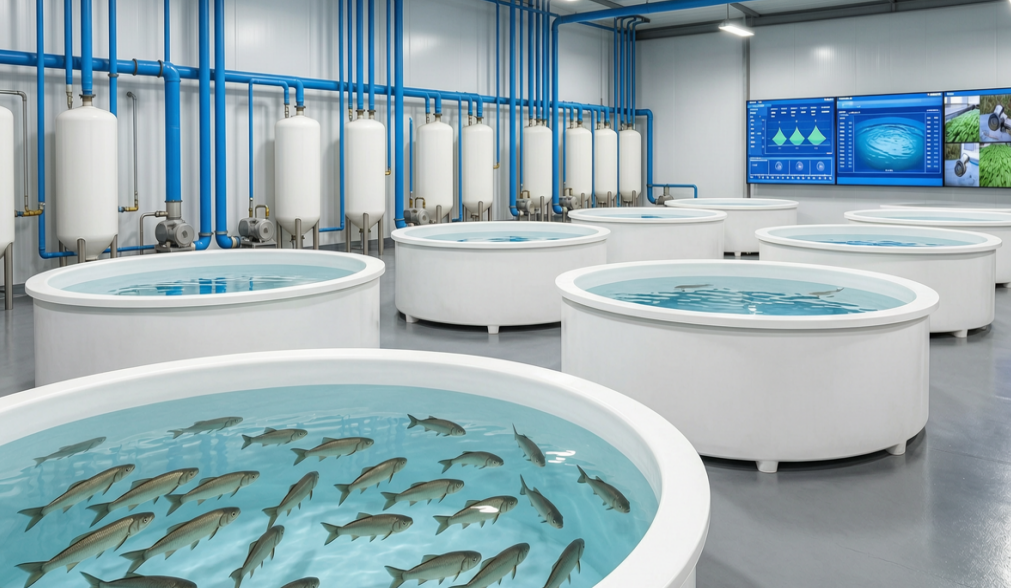
لأجيالٍ عديدة، كان مزارعو الأسماك مقيدون بسؤالٍ واحدٍ فقط: «ما الذي يمكنني زراعته هنا؟». وفي الزراعة المائية التقليدية في البرك أو الأقفاص، كان الجواب يتحدد وفقًا للمناخ ومصدر المياه والجغرافيا. وقد غيّرت أنظمة الزراعة المائية الدائرية (RAS) هذه المعادلة تمامًا. وبترشيح المياه ومعالجتها وإعادة استخدامها داخليًّا، تتيح أنظمة RAS للمُنتِجين تربية طائفةٍ واسعةٍ جدًّا من أنواع الأسماك تحت سقفٍ واحدٍ —ليست مختارةً وفق ما تسمح به البيئة، بل وفق ما يتطلبه السوق.
لماذا تتناسب أنظمة التدوير المائي (RAS) مع العديد من الأنواع
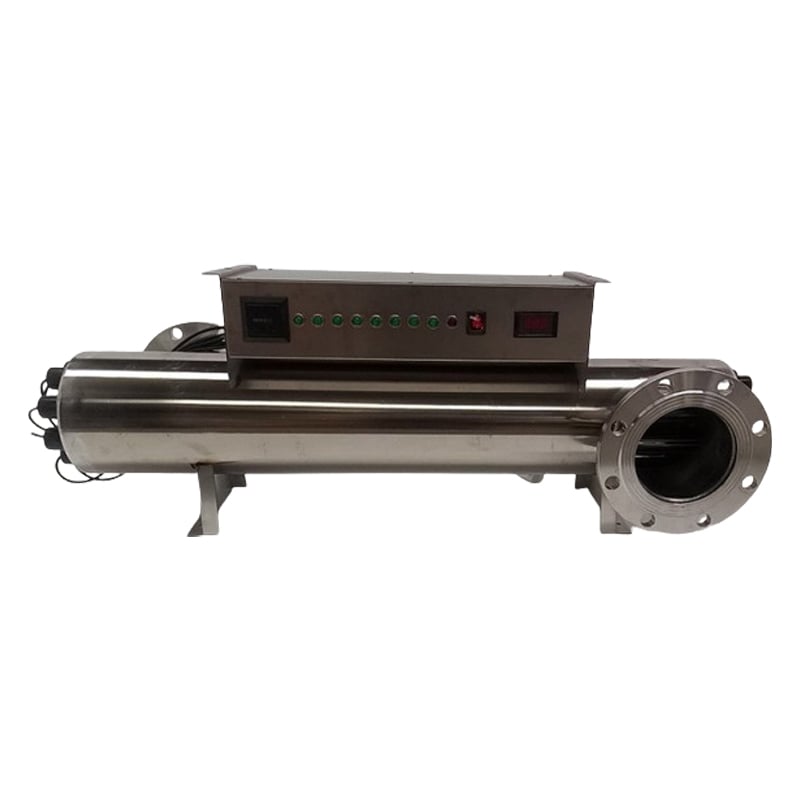
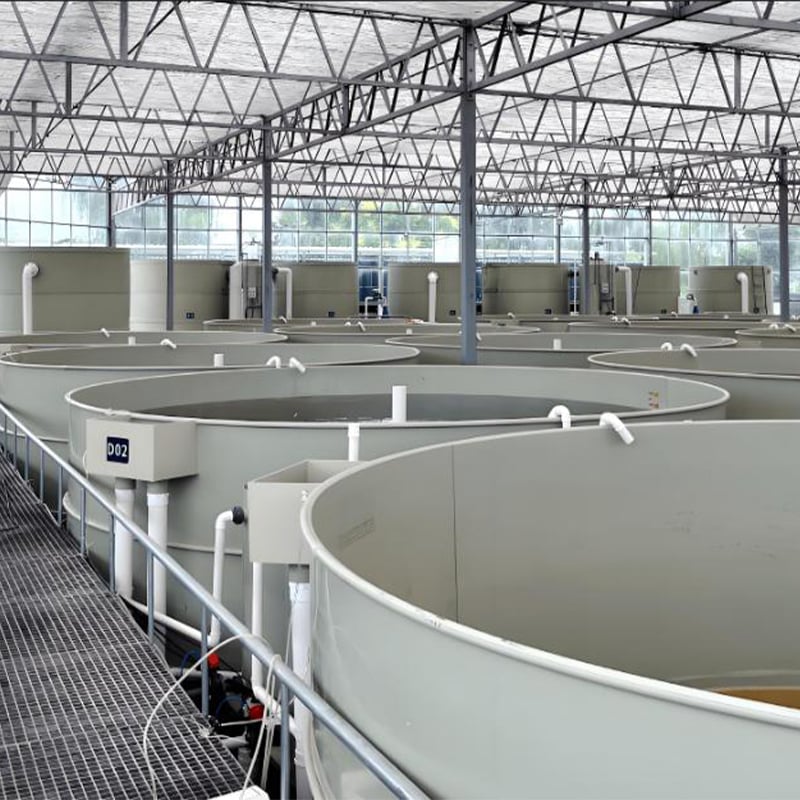
في جوهرها، تُعَد أنظمة التدوير المائي (RAS) تقنية لإدارة المياه. وتُربى الأسماك في خزانات، بينما تمر المياه عبر دورة معالجة مستمرة: فتقوم المرشحات الميكانيكية بإزالة النفايات الصلبة، وتحول المرشحات البيولوجية الأمونيا السامة إلى نترات غير ضارة، وتُحافظ المعالجة بالأشعة فوق البنفسجية أو بالأوزون على مكافحة مسببات الأمراض. أما الأنظمة المصممة جيدًا فتستبدل فقط ٥ –١٠٪ من مياهها يوميًّا.
وهذا التحكم هو ما يتيح المرونة في اختيار الأنواع. ويمكن ضبط درجة الحرارة والأكسجين المذاب والملوحة ومعدل التدفق والإضاءة بشكل مستقل لكل دورة تربية. وبإمكان منشأة واحدة تشغيل دورات تربية باردة للأسماك مثل السلمونيات، وفي الوقت نفسه تشغيل دورات تربية دافئة لسمك البلطي في الغرفة المجاورة. وباختصار، لم تعد الأسماك هي التي تتكيف مع البيئة —بل أصبحت البيئة هي التي تتكيف مع الأسماك.
الأنواع التي تزدهر في أنظمة التدوير المائي (RAS)
ويستمر القائمة التجارية في التوسّع لتغطي سلسلة القيمة بأكملها:
- السلمون وسمك التROUT قوس قزح —أنواع ذات قيمة عالية تعيش في مياه باردة، وأصبحت منتجات رائدة في عمليات الأحياء المائية المغلقة على نطاق واسع في أوروبا وأمريكا الشمالية.
- البلطي والسمك الهلامي —أنواع قوية وسريعة النمو تتحمل كثافات تربية أعلى، ما يجعلها خياراً مثالياً للمُشغِّلين الجدد.
- سمك البراموندي (البَرَمُنْدي الآسيوي) وسمك البحر الأوروبي —أنواع بحرية فاخرة وقادرة على العيش في مياه ذات ملوحة متغيرة، وتُربى بشكل متزايد في الداخل بعيداً عن السواحل.
- سمك الييلوتييل وسمك الأمبر جاك —أسماك سريعة النمو تصلح لتصنيع الساشيمي، وتلقى طلباً قوياً من المطاعم.
- جمبري —ليس سمكاً من الناحية التقنية، لكن روبيان فانامي يُعد الآن أحد أكثر منتجات الأحياء المائية المغلقة نجاحاً، ما يدل على مدى اتساع نطاق هذه التكنولوجيا.
- سمكة الاستورجين —تُربى لإنتاج الكافيار في ظروف خاضعة للرقابة تحمي أحد أنفس منتجات الاستزراع المائي.
- الأسماك الزينة —مكانة متخصصة حيث تمنح جودة المياه المستقرة ودورات التكاثر على مدار العام أنظمة الاستزراع المغلقة ميزة حاسمة.
الحجة التجارية للاستزراع المتعدد الأنواع
تشغيل عدة أنواع في منشأة واحدة يتجاوز كونه إنجازاً تقنياً بحتاً —بل هو استراتيجية لإدارة المخاطر. فإذا انخفض سعر نوعٍ ما أو تغير الطلب عليه موسمياً، يمكن للمُنتِجين إعادة موازنة الإنتاج دون الحاجة إلى إعادة بناء بنيتهم التحتية. كما أن التنوّع في المحفظة يُسهم في تسوية التدفقات النقدية، لأن الأنواع المختلفة تصل إلى الحجم السوقي في أوقات مختلفة.
وهناك أيضاً قصة مرتبطة بالاستدامة. فبما أن منشآت الاستزراع المغلقة يمكن أن تُنشأ قرب المدن، فإن الأسماك تقطع مسافات أقصر للوصول إلى الأسواق، مما يقلل الانبعاثات الناتجة عن النقل. كما أن إدارة العلف بدقة وإعادة تدوير المياه تقللان من الهدر، بينما يقلّل البيئة المغلقة بشكل كبير من الحاجة إلى المضادات الحيوية.
تحديات تستحق المعرفة
الاستزراع المغلق المتعدد الأنواع ليس نظاماً جاهزاً للتشغيل الفوري. فكل نوع يتطلّب تركيبة علف خاصة به واستراتيجية خاصة لتوزيع الكثافة العددية وبروتوكولاً خاصاً للسلامة الحيوية، ويجب تصميم الحلقات —أو تعديلها —حول الأنواع الأكثر طلبًا في المزيج. وتكاليف رأس المال مرتفعةٌ جدًّا، كما أن تشغيل المرشحات البيولوجية يتطلّب مشغِّلين مهرةً للحفاظ على استقرارها. ويتحقَّق النجاح بالبدء بواحد أو اثنين من الأنواع المفهومة جيِّدًا، ثم التوسُّع تدريجيًّا مع اكتساب الفريق لخبرةٍ أكبر.
الخلاصة
حوَّلت نظم الاستزراع المغلقة (RAS) قطاع الاستزراع المائي من نشاطٍ يعتمد على الموقع الجغرافي إلى نشاطٍ يقوده التكنولوجيا. وأصبح إمكان تربية سمك السلمون والبلطي والروبيان والكافيار في نفس المبنى أمرًا واقعيًّا لا يقتصر على التجارب التوضيحية بعد اليوم. —بل هو نموذج عملٍ فعّالٌ بالفعل. وللمُنتجين الذين يولون أهميةً كبيرةً للمرونة والأمن الحيوي والقرب من الأسواق، تقدِّم نظم الاستزراع المغلقة (RAS) ما لا يمكن لأي بركةٍ أو قفصٍ أن يوفِّره أبدًا: الحرية في اختيار النوع المستزرَع وفق الفرص المتاحة، وليس وفق الموقع الجغرافي.
المنتجات الموصى بها

أخبار عاجلة
-
قد وصل خصم عيد الميلاد
2024-12-26
-
هل من الصحيح أن تربية الأسماك في أحواض قماشية كثيفة أكثر كفاءة من البرك العادية؟
2024-12-16
-
مزايا برك الأسماك المغلفة بالقماش المạًلني
2024-10-14
-
تكنولوجيا تربية الأسماك بكثافة عالية، تكلفة البركة السمكية، بركة سمكية مغلفة بالقماش، بركة قماشية، تربية الأسماك بكثافة عالية
2024-10-12
-
لماذا اختيار تربية الأحياء المائية بكثافة عالية باستخدام المياه الجارية
2023-11-20