

Land-based recirculating aquaculture: 95% reduction in water consumption and stable fish production throughout the year — the green revolution in modern aquaculture
1. Abstract
As traditional earthen pond and cage aquaculture face multiple challenges—including water scarcity, environmental pollution and frequent outbreaks of disease—land-based recirculating aquaculture systems (RAS) are emerging as the key direction for the transformation and upgrading of the aquaculture industry. Through core technologies such as physical filtration, biological purification, sterilisation and disinfection, temperature control and aeration, this system achieves a recycling rate of over 95 per cent of aquaculture water, resulting in water savings of 90–95 per cent compared to traditional aquaculture models. It enables stable and controllable production throughout the year, unaffected by seasonal or climatic conditions. This paper provides a systematic overview of the technical principles, key advantages and application scenarios of land-based recirculating aquaculture systems.
2. Industry Background: Why is land-based recirculating aquaculture needed?
2.1 Traditional aquaculture has long relied on an extensive model that is ‘at the mercy of the weather’, facing the following key challenges:
(1). High water consumption: Traditional earthen pond farming involves large volumes of water exchange; producing 1 kilogram of fish requires approximately 5–10 tonnes of water, resulting in severe wastage of water resources.
(2). High environmental risks: The direct discharge of aquaculture effluent leads to water eutrophication; some regions have already introduced strict effluent discharge standards, placing traditional models under pressure to comply.
(3). Difficulties in disease prevention and control: The spread of pathogens in open water environments is uncontrollable; once an outbreak occurs, the losses are enormous. The overuse of antibiotics also poses food safety risks.
(4). Constraints due to season and climate: Water temperatures fluctuate with the seasons; in colder regions, farming is impossible during winter, leaving only 6–8 months of effective farming time per year.
(5). Unstable yield and quality: Uncontrollable stocking densities and significant fluctuations in water quality result in inconsistent fish sizes, making it difficult to meet the high-end market’s demand for a stable supply.
Land-based recirculating aquaculture systems (RAS) were developed precisely to address these issues, representing a fundamental shift in aquaculture from being ‘at the mercy of the weather’ to ‘precision factory farming’.
2.2 Technical Principles: How do recirculating aquaculture systems work?
The core concept of land-based recirculating aquaculture systems is ‘no discharge of water, recycling, and precise control’. The aquaculture water circulates continuously within the system; after undergoing multi-stage treatment, it is returned to the rearing tanks, forming a closed loop. A complete RAS system typically comprises the following core modules:
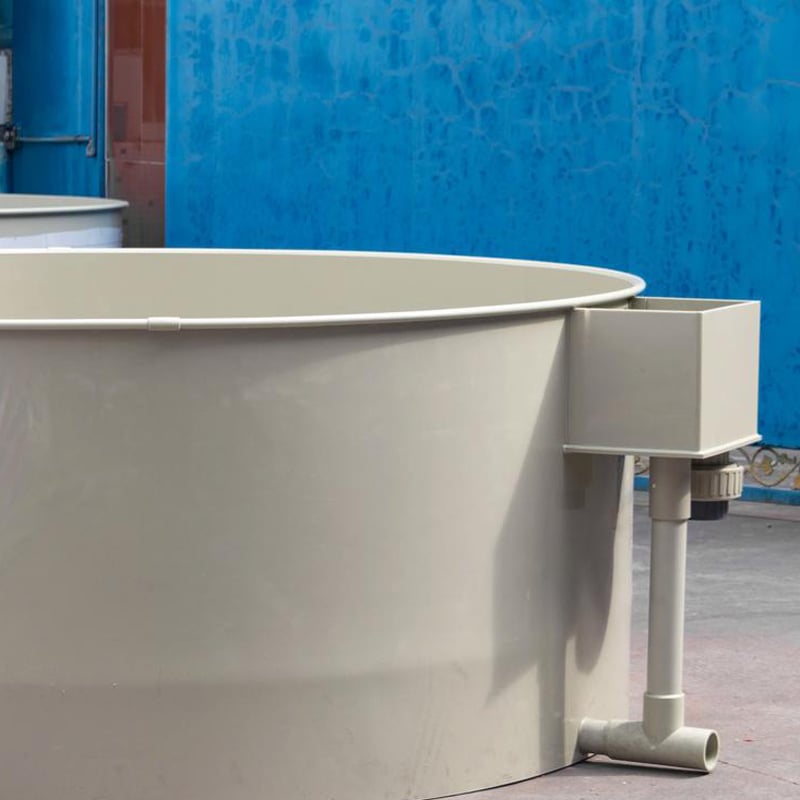
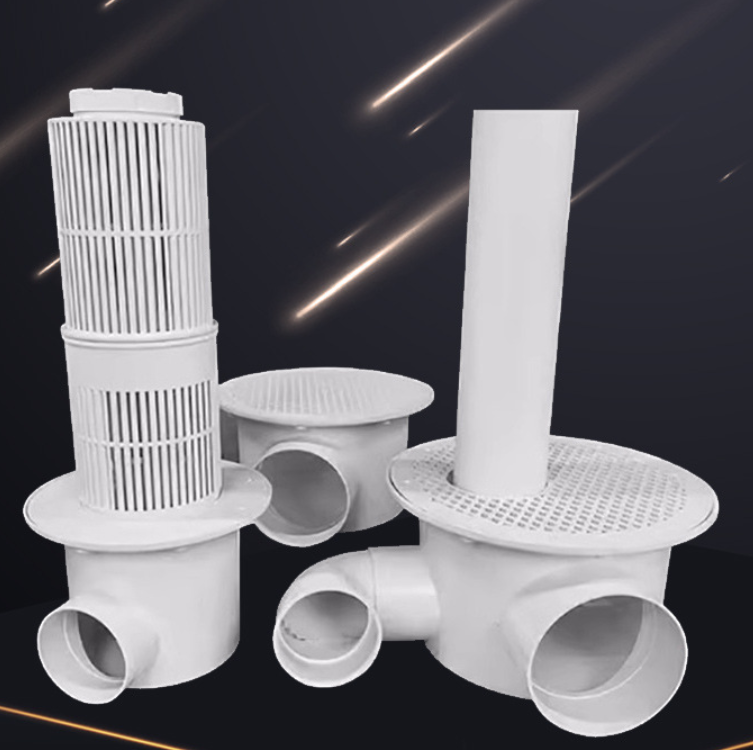
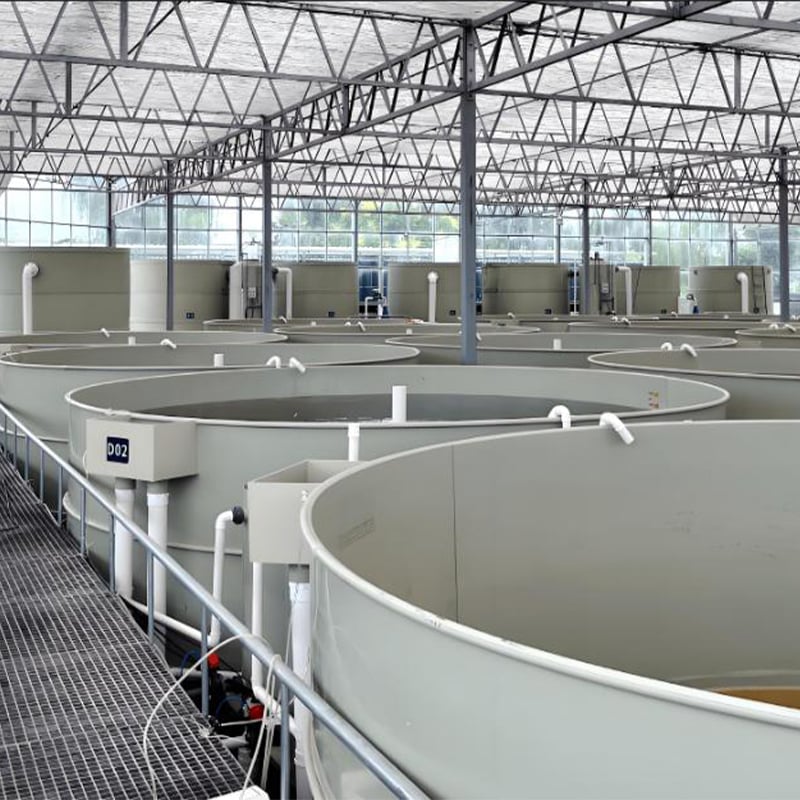
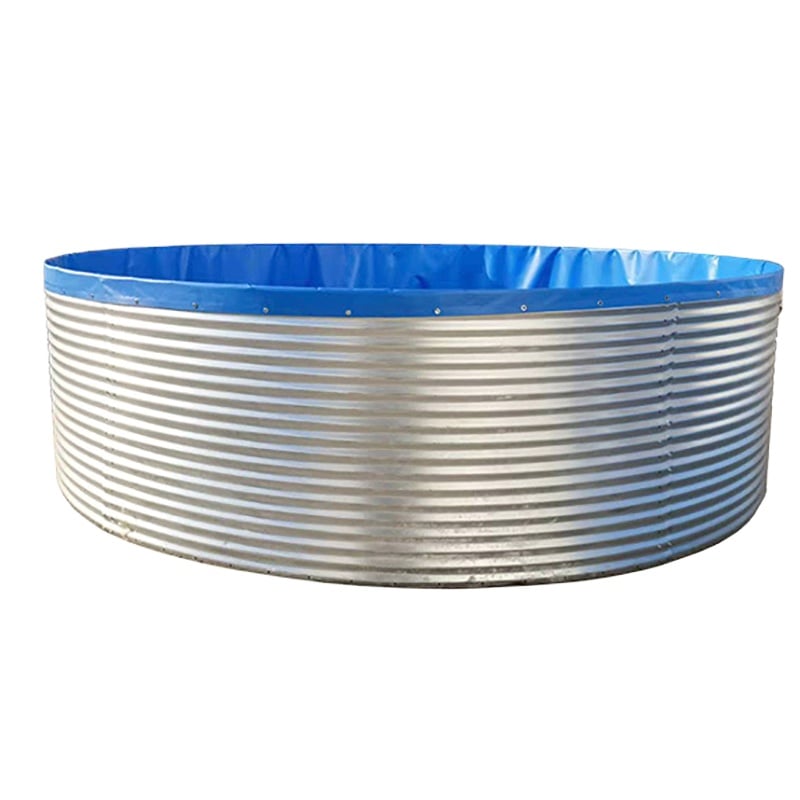
(1). Rearing tanks: The core space for fish growth, typically circular or raceway-style concrete or PE tanks, equipped with a central drainage structure to facilitate the centralised removal of uneaten feed and faeces.
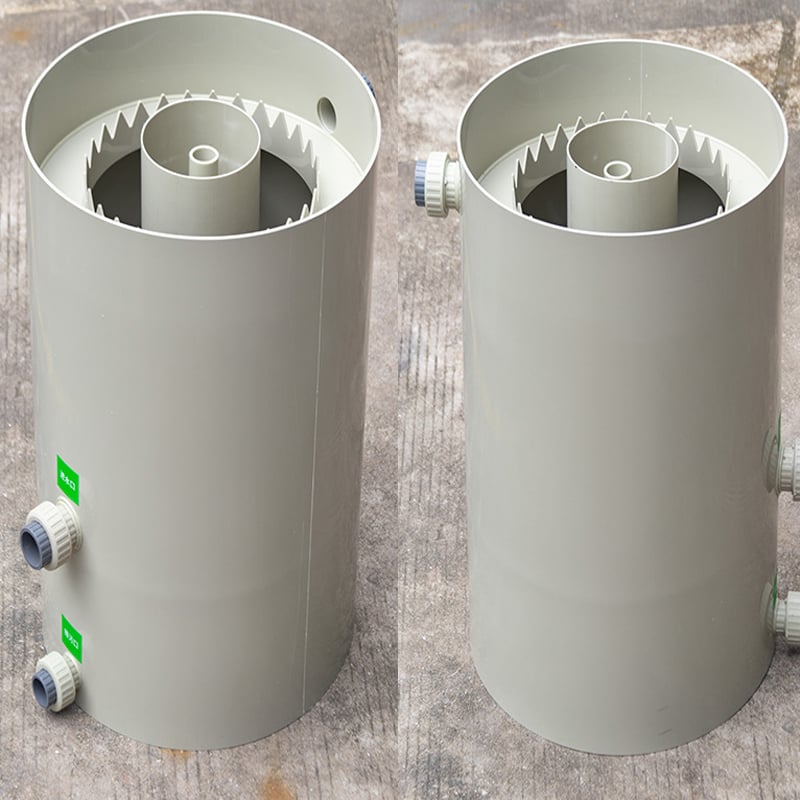
(2). Microfiltration unit/rotary drum filter: The first stage of physical filtration, removing solid suspended matter (uneaten feed, faeces, mucus, etc.) from the water. The filtration precision is typically 40-100 micrometres, preventing the accumulation of organic matter within the system.
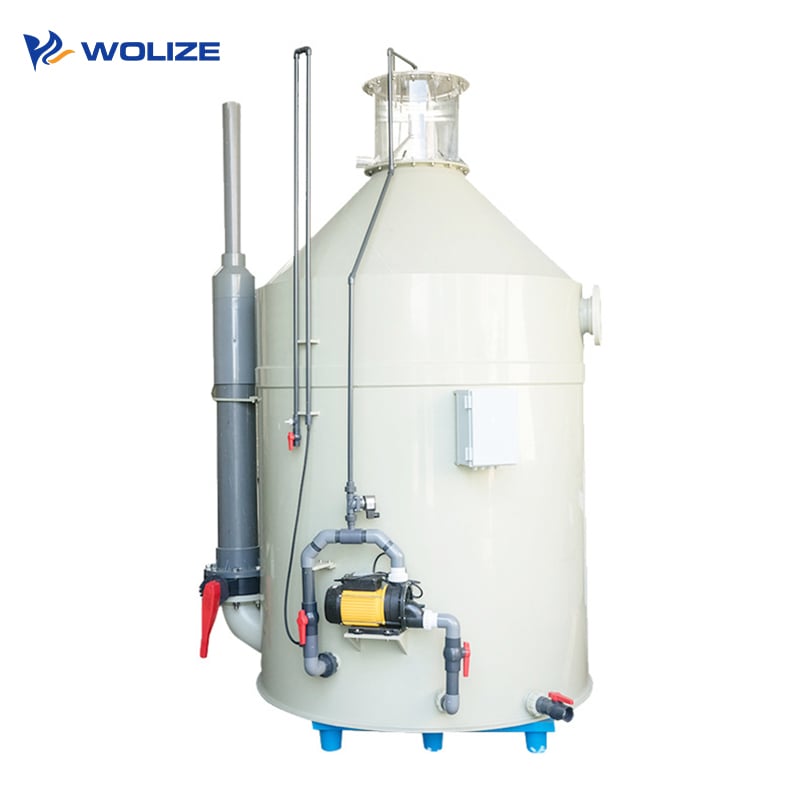
(3). Biological filter (nitrification system): The core biochemical module of the system. It utilises nitrifying bacteria to convert the highly toxic ammonia nitrogen (NH₃/NH₄⁺) produced by fish metabolism into less toxic nitrate (NO₃⁻), thereby maintaining safe water quality.
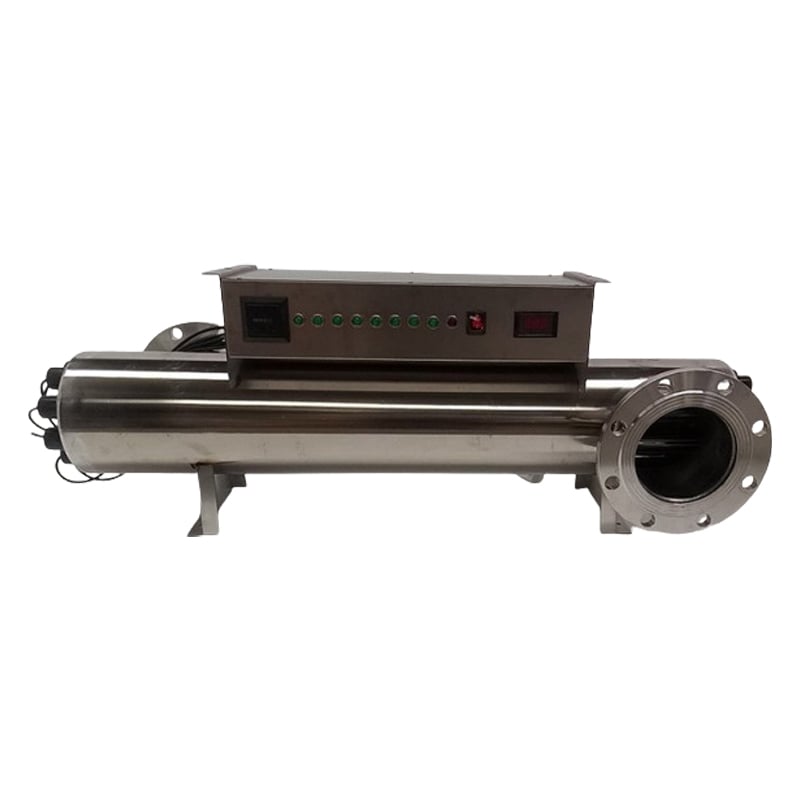
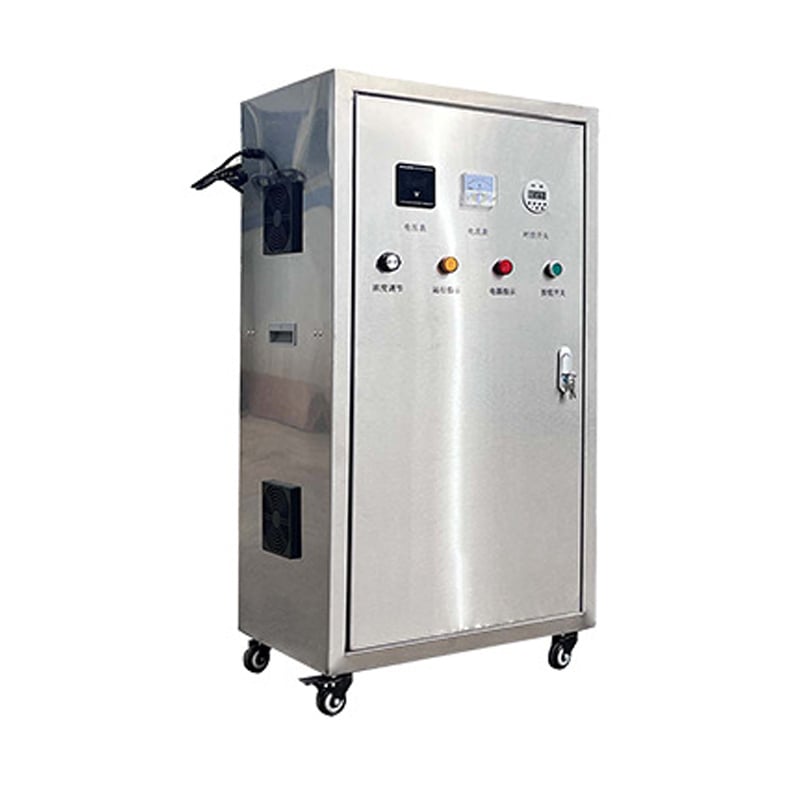
(4). UV Sterilisation/Ozone Disinfection: Utilises ultraviolet light or ozone to kill pathogens, viruses and parasite eggs in the water, thereby reducing the risk of disease outbreaks and minimising or even eliminating the need for antibiotics.
(5). Aeration System: Maintains dissolved oxygen levels in the water at 5 mg/L or above through the use of pure oxygen, micro-and nano-bubbles or liquid oxygen, ensuring the respiratory needs of fish are met under high-density farming conditions.
(6). Temperature Control System: Utilising heat pumps, boilers or geothermal energy, this system precisely controls water temperature within the optimal growth range for the target fish species (e.g. 26°C-28 °C), enabling year-round constant-temperature aquaculture.
(7). Degassing and pH Adjustment: Excess CO₂ is removed from the water, and pH is maintained within the suitable range of 7.0-8.5, creating a stable chemical environment for nitrifying bacteria and fish.
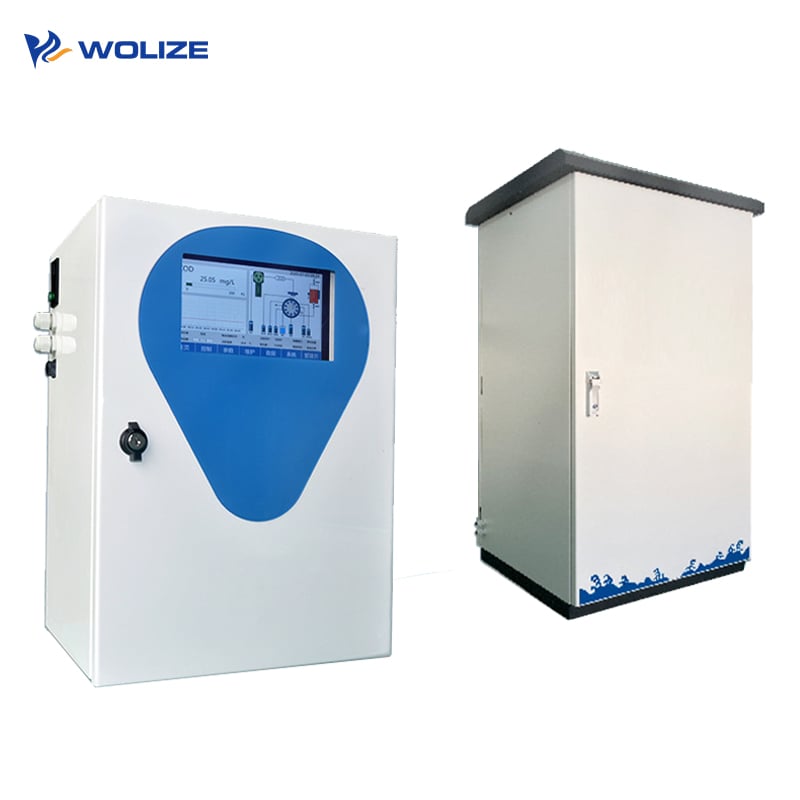
(8). Intelligent Monitoring System: Monitors key parameters such as water temperature, dissolved oxygen, pH, ammonia nitrogen and nitrite in real time; triggers automatic alarms in the event of anomalies; and supports remote management.
The above modules operate in series. Water from the rearing tanks undergoes filtration → biochemical treatment → disinfection → aeration → temperature control, before finally returning to the rearing tanks to complete one cycle. The system typically cycles 8–24 times per day, ensuring consistently stable water quality.
3. Key Advantages
3.1 Extreme Water Conservation: Overcoming Water Resource Constraints
Land-based recirculating aquaculture systems use only 5-10 per cent of the water required by traditional methods. For every kilogram of fish produced, the recirculating system requires only approximately 100-200 litres of water, whereas the traditional earthen pond method requires 5,000-10,000 litres. In an era of increasingly scarce water resources, this advantage makes it possible to carry out aquaculture in arid inland regions and on the outskirts of cities.
Data support: The daily water replenishment volume in recirculating aquaculture systems is typically only 1%-5% of the total water volume, resulting in water savings of over 95%.
Stable year-round production, unrestricted by season
A temperature control system maintains the water temperature within the optimal growth range for the target fish species, completely eliminating the constraints of season and climate. In cold northern regions, where traditional aquaculture ceases entirely during winter, recirculating systems enable uninterrupted farming 365 days a year, with annual yields 5–10 times higher than those of traditional methods on an equivalent area.
Application scenarios: In northern regions such as Shandong and Liaoning, RAS systems are utilised to enable year-round farming of Litopenaeus vannamei; as prawns are harvested in winter when prices are higher, profits are significantly increased.
3.2 Controllable disease incidence and safe aquatic product quality
The closed aquaculture environment cuts off transmission routes for external pathogens; combined with UV/ozone disinfection, the incidence of disease is reduced by more than 80 per cent compared to traditional methods. As no antibiotics are required during the farming process, the resulting aquatic products meet ‘Green Food’ or even organic standards, satisfying the requirements of high-end markets and export markets.
Application scenarios: Antibiotic-free farming of high-value species such as salmon, grouper and California bass, enabling direct supply to high-end retail channels such as Hema and Sam’s Club.
3.3 High-density farming, doubling output per unit area
The precise aeration and water quality control capabilities of the recirculating aquaculture system enable farming densities of 50-100 kg/m³, which is 20-50 times that of traditional earthen ponds (1-3 kg/m³). This significantly reduces the land area required and markedly improves land-use efficiency, making it suitable for regions with limited land resources.
3.4 Zero Effluent Discharge, Environmentally Friendly
The small amount of solid waste generated by the system is collected centrally and can be used for organic fertiliser or biogas power generation; no polluted water is discharged into water bodies. The recirculating aquaculture model fully complies with the national ‘Aquaculture Effluent Discharge Standards’ and the ‘Green Fisheries’ development policy. Against the backdrop of increasingly stringent environmental inspections, it is the only sustainable solution for large-scale aquaculture.
3.5 Intelligent Management, Reduced Reliance on Labour
Modern RAS systems are equipped with Internet of Things (IoT) sensors and automated control platforms. Water quality parameters are uploaded to the cloud in real time, with automatic alerts for anomalies and automated coordination of equipment. A 1,000 m³ aquaculture facility requires only 2-3 operators to manage, significantly reducing labour costs and management complexity.
4. Comparison of land-based recirculating aquaculture systems versus traditional aquaculture models
Table 1: Detailed comparison of different farming systems
|
Dimensions of comparison |
Traditional earthen pond aquaculture |
Cage farming |
Land-based recirculating aquaculture systems (RAS) |
|
Water consumption |
5,000-10,000 litres/kg of fish |
Reliance on natural water bodies |
100-200 litres/kg of fish |
|
Stocking density |
1-3 kg/m³ |
10-20 kg/m³ |
50-100 kg/m³ |
|
Space requirements |
High(7,500 kg/ha-15,000 kg/ha) |
Occupation of natural water bodies |
Small(75 t/ha-150 t/ha) |
|
Annual production |
Subject to seasonal availability, 6-8 months |
Subject to water temperature constraints |
Stable production 365 days a year |
|
Risk of disease |
High; uncontrollable in open environments |
High risk of cross-contamination between water bodies |
Low, closed-loop prevention and control |
|
Antibiotic use |
Widespread use |
Prevention through medication |
Hardly ever used |
|
Effluent discharge |
Direct discharge, severe pollution |
Pollution of natural water bodies |
Zero emissions / emissions within regulatory limits |
|
Quality of aquatic products |
Uneven |
Significantly affected by water bodies |
Stable and controllable, meeting green standards |
|
Level of automation |
Low; managed based on experience |
Low |
High, Automatic Monitoring and Control |
|
Initial investment |
Low |
Generally |
High |
|
Long-term operating costs |
High (medication costs + wastage + inefficiency) |
Generally |
Low (high efficiency + low wastage + low medication costs) |
|
Policy Compliance |
Restrictions apply in certain areas |
gradually being restricted |
Fully in line with policy objectives |
5. Suitable aquaculture species
Land-based recirculating aquaculture systems are suitable for a wide range of high-value aquatic species, including but not limited to:
(1). Freshwater species: California bass, mandarin fish, yellow catfish, sturgeon, rainbow trout, koi, tilapia, loach
(2). Marine/brackish water species: white-leg shrimp, grouper, yellow croaker, Atlantic salmon, sea bass, pufferfish
(3). Speciality aquatic species: eels, soft-shelled turtles, Chinese giant salamanders, seahorses, ornamental fish
6. Typical Application Scenarios
(1). Factory-based aquaculture bases on the outskirts of cities: Converting disused factory buildings or warehouses into recirculating aquaculture systems (RAS) facilities, located close to consumer markets to enable the direct supply of live, fresh produce, thereby reducing transport losses and cutting out intermediaries. Typical scale: 500-5,000 m³ of water volume, with an annual output value of 5-50 million yuan.
(2). Off-season aquaculture in cold regions: In high-altitude, high-latitude, frigid regions, RAS systems are utilised for heated winter farming, enabling ‘winter shrimp harvests and off-season market supply’, with price premiums of 30%-50%.
(3). Integration of comprehensive saline-alkali land remediation with aquaculture: Developing recirculating aquaculture systems on saline-alkali land both remediates the soil and generates economic output, thereby achieving “remediation through aquaculture”.
(4). Land-based supporting seedstock bases for deep-sea and offshore aquaculture: These provide an intermediate rearing stage for high-quality seedstock destined for large deep-sea and offshore net pens and aquaculture vessels. Recirculating aquaculture systems ensure the healthy growth of the seedstock in a controlled environment, thereby improving survival rates upon release into the sea.
7. Frequently Asked Questions (FAQ)
Q: What is the approximate initial investment for land-based recirculating aquaculture?
A: Depending on the species being farmed, the scale of the operation and the level of automation, the construction cost per cubic metre of water is approximately US$400–1,100/m³. A standardised recirculating aquaculture system facility with a capacity of 1,000 m³ requires a total investment of approximately US$415,000–1.1 million. Although the initial investment is high, given the high output, low wastage and long-term returns, the investment is typically recouped within 3-5 years.
Q: Are electricity costs high for recirculating aquaculture systems?
A: Electricity costs are one of the main operational costs of the RAS system, accounting for approximately 30–40% of total operational costs. By employing energy-saving technologies such as high-efficiency pumps, variable-frequency control and heat pump waste heat recovery, the electricity cost per kilogram of fish can be kept between US$0.3 and US$0.5, whilst the overall economic performance remains superior to that of traditional systems.
Q: Which regions are suitable for the development of land-based recirculating aquaculture?
A: In theory, any region is suitable, but the advantages are most pronounced in the following scenarios: 1). inland regions with water scarcity; 2). northern regions with cold winters; 3). urban outskirts where land resources are scarce; 4). areas surrounding river basins with strict environmental protection requirements; 5). regions rich in non-arable land resources, such as saline-alkali land and wasteland.
Q: Is there a difference in flavour between fish from recirculating aquaculture systems and those from traditional earthen ponds?
A: Under appropriate stocking densities and feed formulations, fish from recirculating aquaculture systems have firm flesh and are free from an earthy odour; for some species (such as salmon and California bass), the flavour is even superior to that of fish from traditional systems. The key lies in the clean water quality and the absence of antibiotic residues, which is leading to increasing consumer acceptance.
Q: Is the system difficult to maintain? Does it require specialist personnel?
A: Modern RAS systems are highly automated. Routine maintenance primarily involves: daily inspections of equipment operation, regular cleaning of microfiltration screens, monitoring water quality parameters, and replenishing probiotics and nutrients. Ordinary workers can be trained to operate the system within 1-2 weeks, and system suppliers typically provide technical training and after-sales support.
8. Contact Us
If you would like to learn more about technical solutions, equipment configurations and return on investment analyses for land-based recirculating aquaculture systems, or to book a visit to a demonstration site, please do not hesitate to contact us.
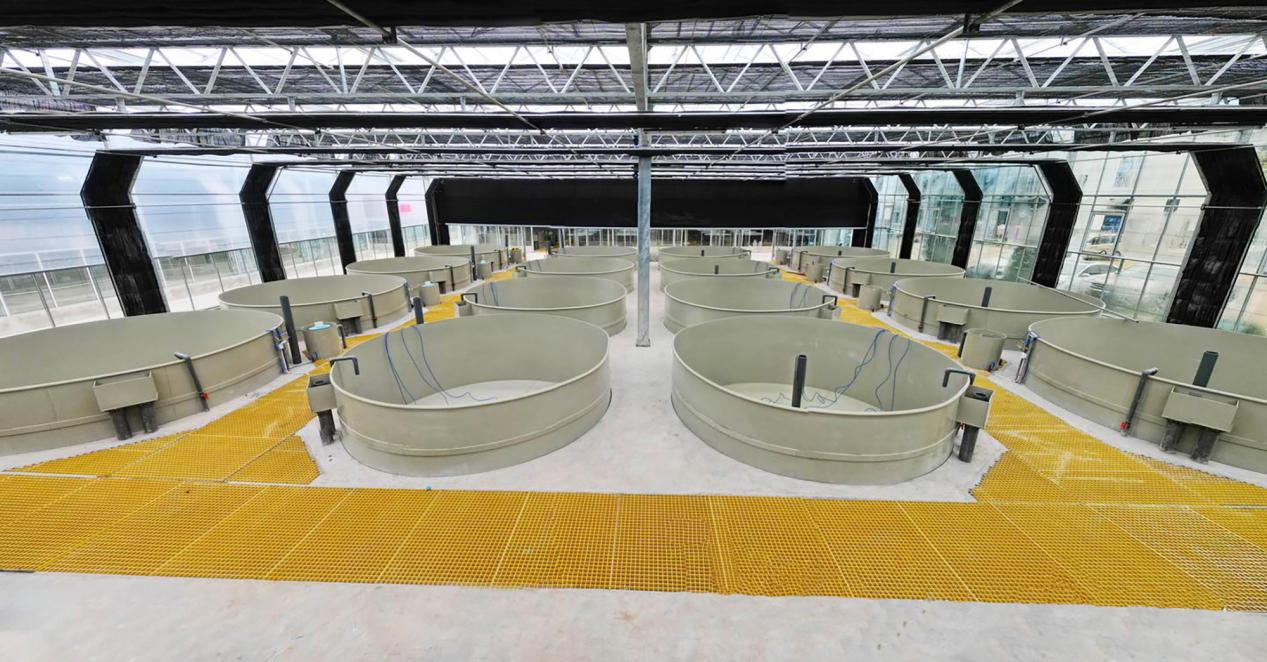
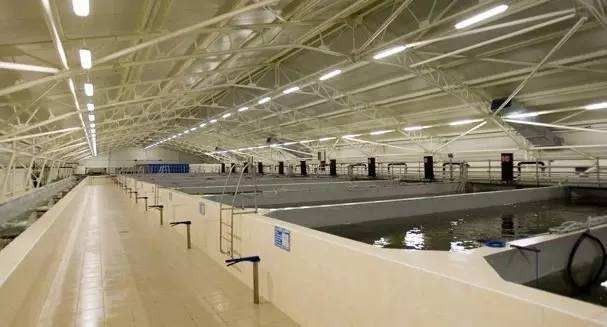
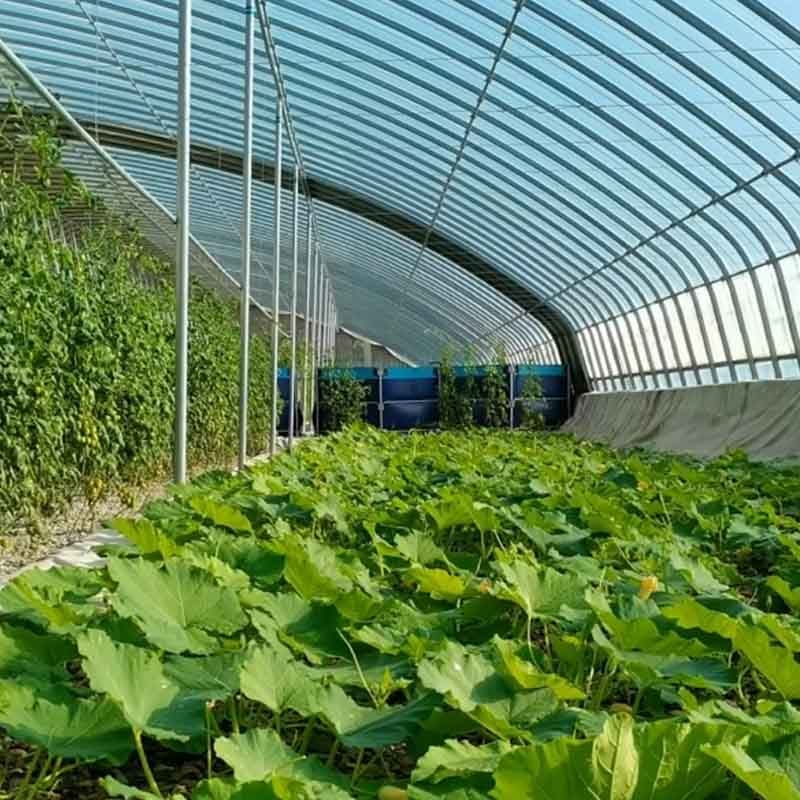
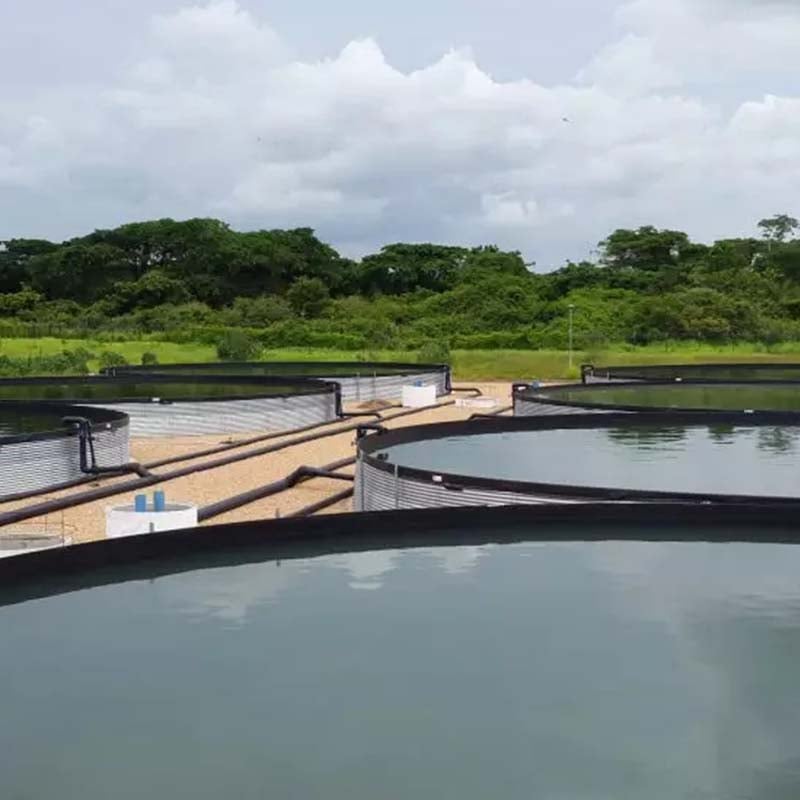
Figure 1: Photograph of a land-based recirculating aquaculture facility
Recommended Products
Hot News
-
The Christmas discount has arrived
2024-12-26
-
Is it true that raising fish in high-density canvas fish ponds is more efficient than ordinary ponds?
2024-12-16
-
Advantages of galvanized canvas fish pond
2024-10-14
-
High-density fish farming technology, fish pond cost, canvas fish pond, canvas pond, high-density fish farming
2024-10-12
-
Why choose flowing water high-density aquaculture
2023-11-20